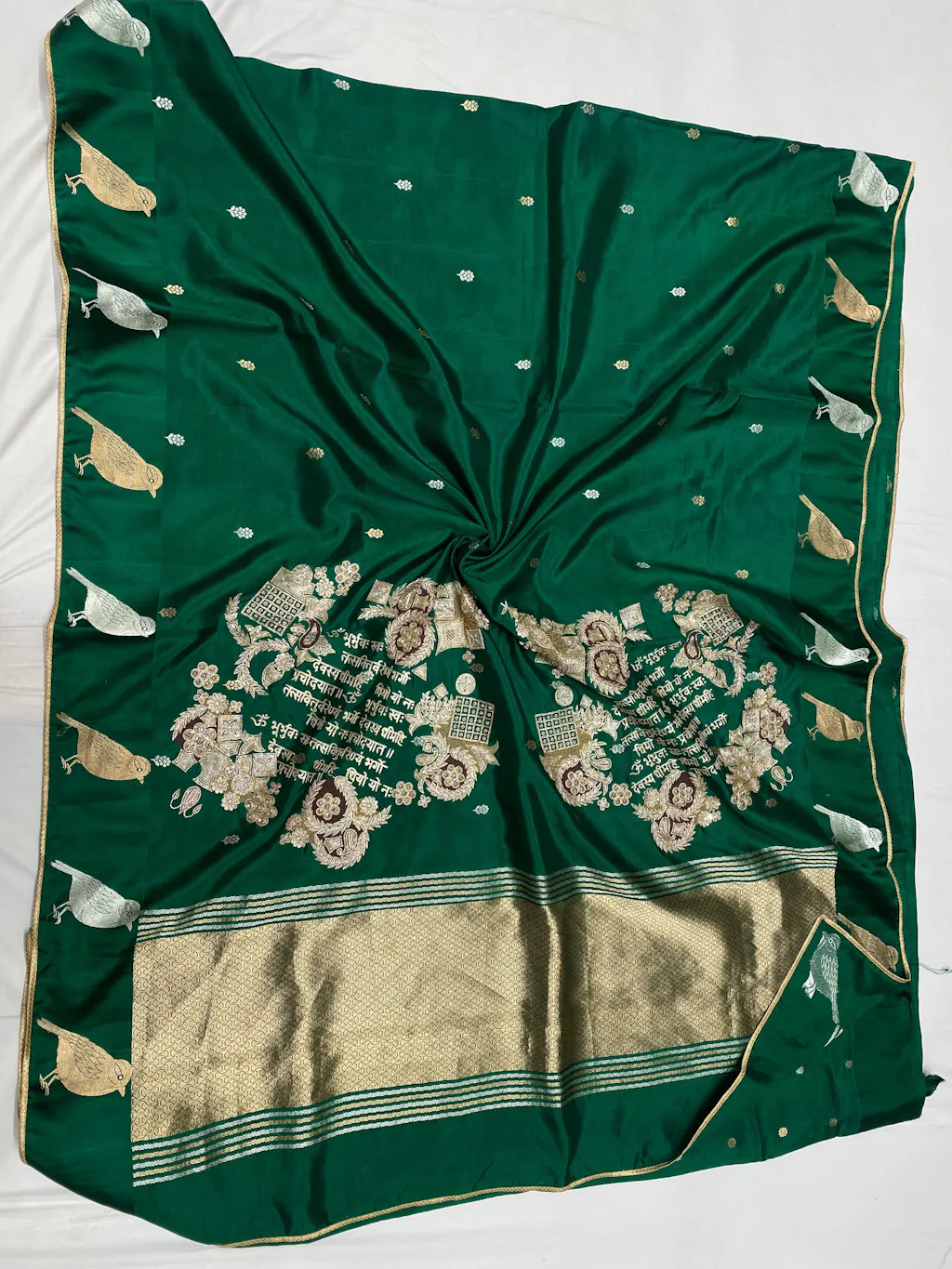
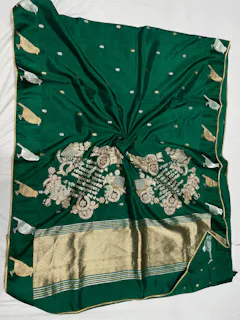
I brought the Gayatri mantra saree in bottle green color. Had a good experience with the team who made the experience hassle free.
Nita Ambani Inspired Red Saree with Gayatri Mantra
03/24/2026
Pooja
Stunning Saree, softest silk
Love my purchase from Chinaya Banaras. It is softest silk, beautiful color, Nandis stunningly weaved on my saree. It can be draped contemporary or traditionally.
Purple Handloom Banarasi Silk Saree With Pichwai Border
02/12/2026
Anamika
Something beautiful and special
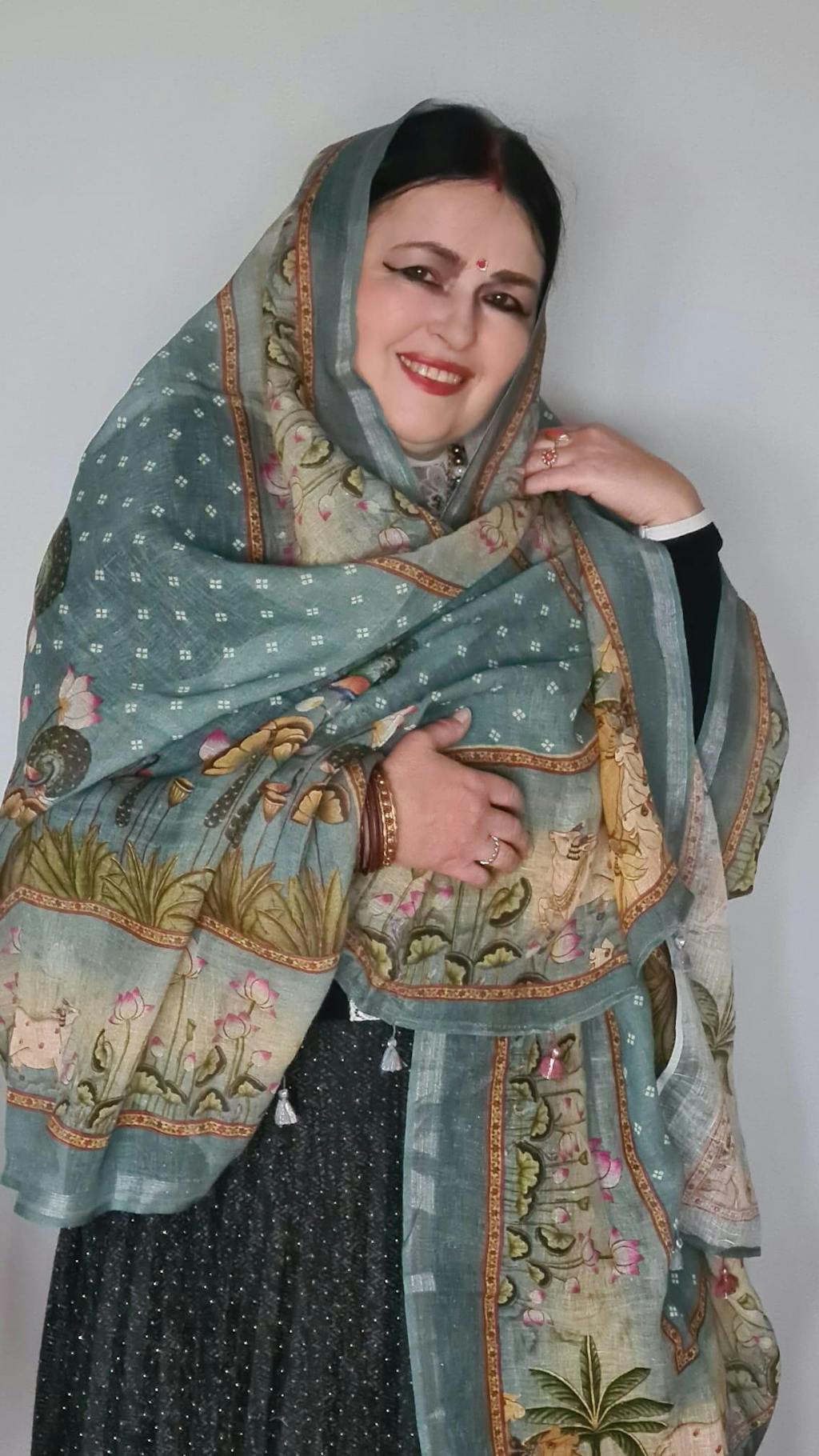
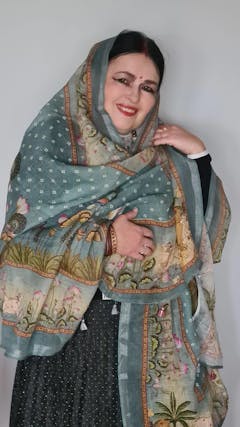
I am very glad to have bought this extraordinary dupatta. The design is unique and the quality of material the best.
Steel Blue Linen Dupatta with Digital Printed Pichwai Motifs
01/30/2026
Alka Sachdeva
Beautiful
Fabric was very good quality and brocade design modern . Overall very happy with my purchase
Navy Blue Banarasi Silk Fabric with Water Gold Zari Arc Brocade Pattern
12/30/2025
Vishnu priya Yarlagadda
Good
Grey Banarasi Silk Fabric with Floral & Paisley Stripes
12/26/2025
Laukik Taksande
Amazing Collection
I have purchase this for my wife, she loved it so much the cloth and design and color and most import the design on Gayatri mantra on Dupatta.
Orange Dupion Silk Suit Set with Gayatri Mantra Dupatta
11/10/2025
Remi
Black tiger motif material
Absolutely loved it, am a big fan of your fabrics, constantly surf your site, thank you so much
Black Chiniya Silk Salwar Suit with Tiger Motifs and Tissue Dupatta
11/10/2025
Khushboo
The suit was even prettier in person..loved the fabric and the colour.🩷👍
Red Salwar Suit Set with Intricate Zari Work And Dupatta
10/13/2025
Khushboo
The suit was even prettier in person..loved the fabric and the colour.
Red Salwar Suit Set with Intricate Zari Work And Dupatta
10/12/2025
Sunayana Sharma
Absolutely worth it
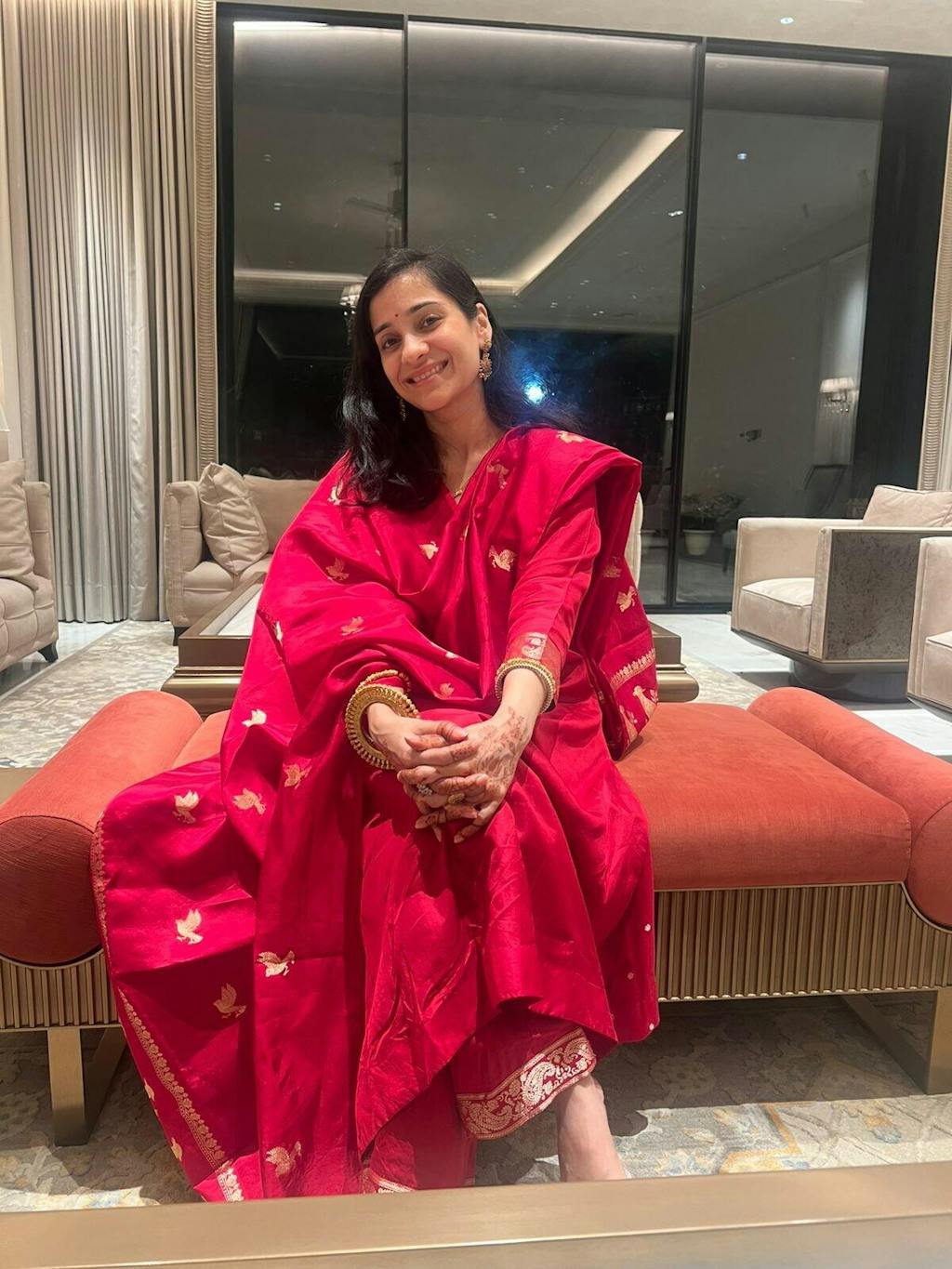
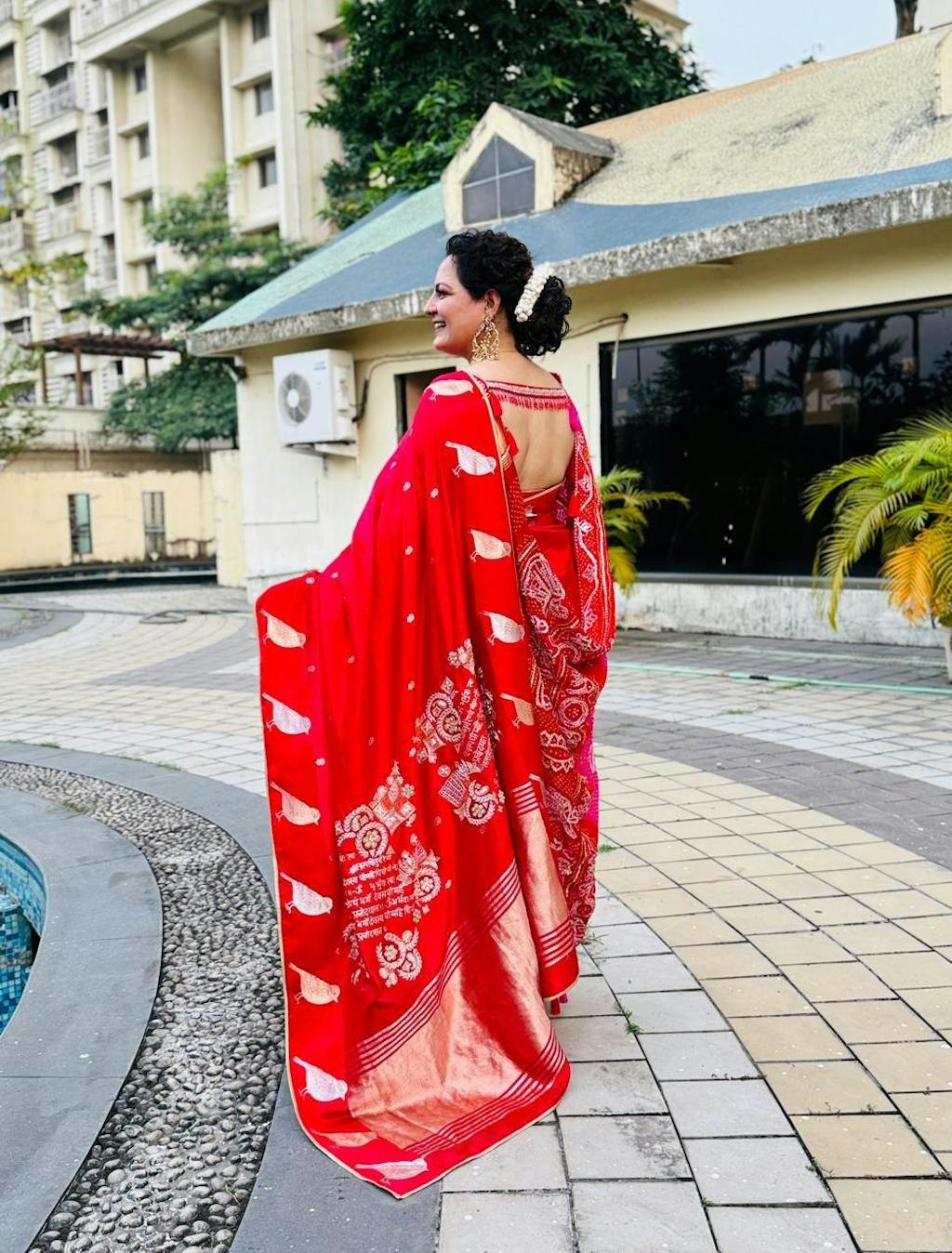
I felt like a queen in this gorgeous saree ❤️✨ You made my Karwa Chauth festival even more special. The quality of the fabric is really good and the Gayatri Mantra embroidery is done so beautifully. I truly recommend Chinaya Banaras and loved being a part of the Chinaya family 💫
Nita Ambani Inspired Red Saree with Gayatri Mantra
10/11/2025
Sunita Naik
Very beautiful!
Magenta Pink Organza Suit Set with Chikankari Embroidery
07/30/2025
Kiran Poosapati
Excellent
Saree is very beautiful. The material is as described. Very happy with my purchase.
Baby Pink Handloom Organza Silk Saree
05/09/2025
XX
beautiful saree, but color is much lighter than what is in the website picture
XXX
Lilac Woven Kota Doria Saree
04/29/2025
Sudha Kashyap
Banaras silk sar
Beautiful sari recd it promote mkt with proper finishing loved the sari and price
Pichwai Pure Banarasi Silk Saree
04/03/2025
Cash
Lovely Saree!
The Saree is absolutely gorgeous and looks same as the pictures. I got so many compliments on it, wore it for a traditional South Indian wedding where the dress code was silk saree, I wanted to wear something light and still elegant enough for a warm day function, it met all my expectations!
on time delivery. rich color, perfect fit. A truly beautiful outfit. Yupp!
M
Mahi Talwar
LOVELY ♥ This suit set is absolutely stunning and perfect for any occasion. THANKS
FAQs
Yes. The purple chiniya silk co-ord set in a kurta-and-pants format is accessible and visually legible for multicultural wedding settings. It reads as elegantly ethnic without requiring familiarity with saree or lehenga styling. For intercultural weddings or international events where traditional Indian attire is appreciated, this suit set is one of the most versatile choices in Chinaya Banaras's collection.
Yes. The purple chiniya silk suit set with its V-shaped neckline and full sleeves is appropriately formal for workplace festivities. The meenadar zari buti gives it festive character without excessive ornamentation. For corporate pujas, cultural days, or office celebrations, this suit set is a sophisticated ethnic choice that balances tradition with professional context.
Chinaya Banaras offers international shipping for prepaid orders above a specified threshold. For NRI buyers in the UK, US, Middle East, Australia, or Singapore, the suit set can be shipped directly. Given the handwoven quality and cultural significance of the garment, many NRI customers purchase this type of suit set as festive wear for Indian events abroad or as trousseau additions.
A handwoven chiniya silk suit set is crafted on a traditional handloom where the meenadar gold and silver zari buti are woven into the fabric structure — creating a textile where pattern and fabric are inseparable. Printed co-ord sets use surface printing on base fabric — the design sits on top and can fade. Handwoven sets are more durable, more exclusive, and carry the cultural weight of Banarasi craft heritage.
For Holi, choose this suit set over clothes you are comfortable getting colored — chiniya silk absorbs color but can be professionally cleaned. For Baisakhi, pair with gold jhumkas and a braid with fresh flowers to complement the handwoven traditional textile. The organza woven dupatta can be worn loosely draped or pinned at the shoulder. The spring festive mood is perfectly matched by purple's association with celebration and joy.
Chiniya silk and Katan silk are both traditional Banarasi fabrics but differ in structure. Katan silk uses tightly twisted yarns for a firm, crisp weave. Chiniya silk uses a finer, softer yarn that produces a more fluid, lighter fabric with a beautiful subtle sheen. Chiniya is preferred for suit sets and kurtis where comfort over extended wear matters — while Katan is preferred for sarees requiring structure and pallu hold.
For a week-long wedding schedule, a handwoven silk co-ord set like this is an ideal wardrobe anchor. It is versatile enough to be worn on its own for daytime functions and dressed up with statement jewelry and the organza woven dupatta for evening events. The purple color is festive across multiple event types — mehndi, sangeet, reception — without being event-specific.
The chiniya silk suit set weighs approximately 0.68 kg — comparable in weight to many katan silk sarees. However, because the weight is distributed across a structured co-ord silhouette rather than a single draped garment, it feels more manageable and comfortable to wear. The suit does not require constant drape adjustments, making it practically lighter in terms of wearing effort.
Yes. The Purple Delight Handwoven Banarasi Chiniya Silk Suit Set is designed for women who appreciate traditional handloom artistry but prefer the practicality of a co-ord set over a saree. The handwoven chiniya silk with gold and silver meenadar zari buti is genuinely artisanal, while the kurta-and-pants format makes it immediately wearable for festive events without styling complexity.
Meenadar refers to the use of colorful silk threads (resham) alongside gold and silver zari in the weaving process to create small, jewel-toned buti (individual motifs) scattered across the fabric. The 'meenadar' quality means each buti has a colored filling within the metallic zari outline — giving the fabric a richness and depth similar to meenakari enamel work in jewelry.
Recommended occasions include sangeet nights, mehndi functions, engagement parties, Navratri celebrations, Diwali events, family festivals, and temple puja visits. Purple is auspicious across multiple traditions and associated with spirituality and celebration. The handwoven quality makes it appropriate for family occasions where traditional textiles are valued.
Dr Suman
Great choice ♥️
I brought the Gayatri mantra saree in bottle green color. Had a good experience with the team who made the experience hassle free.
Nita Ambani Inspired Red Saree with Gayatri Mantra
Anamika
Something beautiful and special
I am very glad to have bought this extraordinary dupatta. The design is unique and the quality of material the best.
Steel Blue Linen Dupatta with Digital Printed Pichwai Motifs
Khushboo
The suit was even prettier in person..loved the fabric and the colour.🩷👍
Red Salwar Suit Set with Intricate Zari Work And Dupatta
Sunayana Sharma
Absolutely worth it
I felt like a queen in this gorgeous saree ❤️✨ You made my Karwa Chauth festival even more special. The quality of the fabric is really good and the Gayatri Mantra embroidery is done so beautifully. I truly recommend Chinaya Banaras and loved being a part of the Chinaya family 💫
Nita Ambani Inspired Red Saree with Gayatri Mantra
Afsheen Hasan
Absolutely Stunning!
I just received my saree last night and I could not wait to write my review. This saree is an absolute gem. I would say, the picture does not do justice to the actual saree when you see this in person. The soft silk crepe khaddi material, and the detailed zari work all over the saree, especially on the pallu are extremely praiseworthy. The saree will definitely give a sophisticated and regal look when draped. It was my first purchase from Chinaya. Thank you, Chinaya Benaras...will definitely buy sarees from you again.