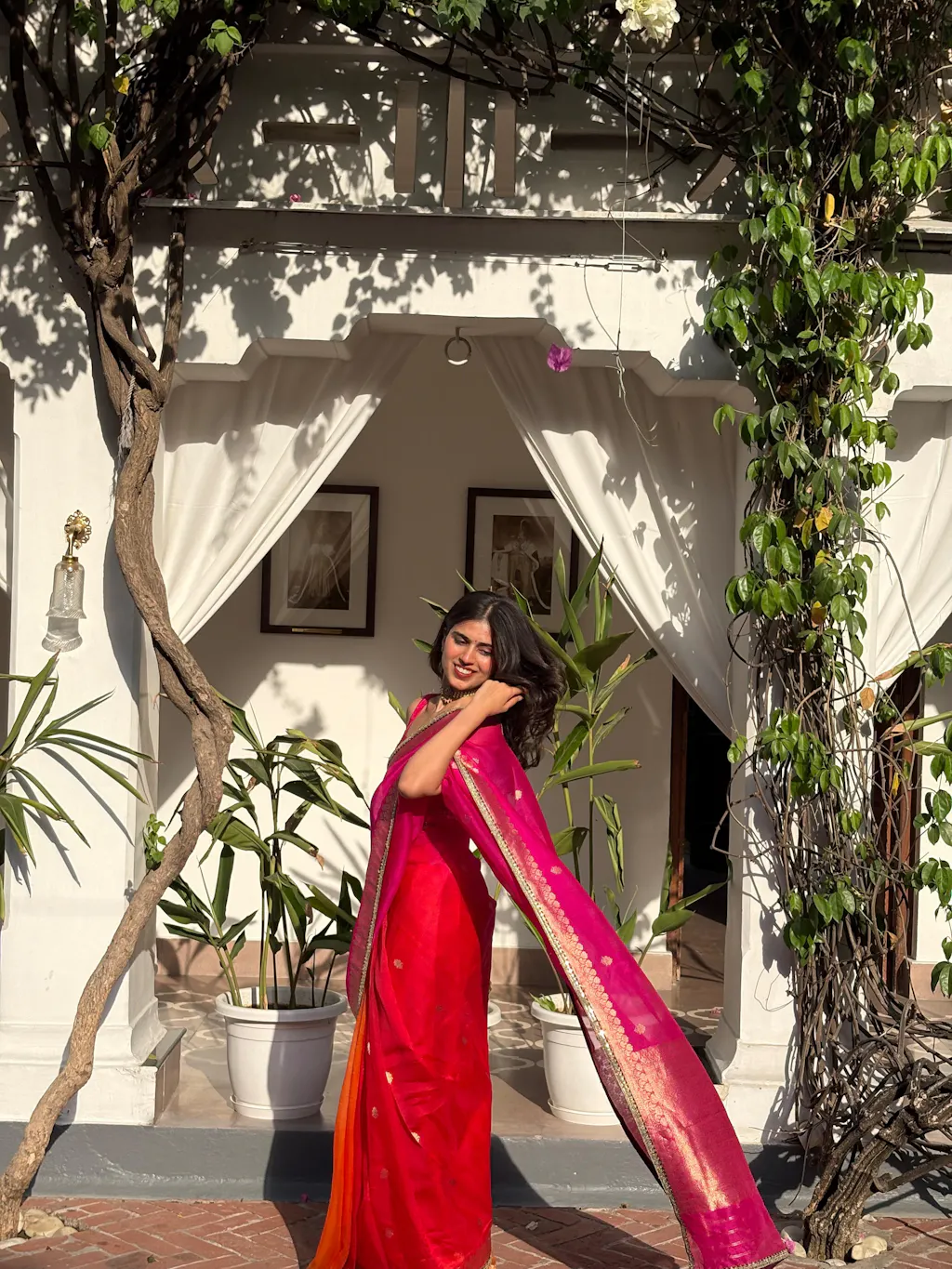
This is such a gorgeous banarasi saree. When I first saw it, I loved the color palette. It is a perfect choice for a bride to be!! Or someone is who is newly married.
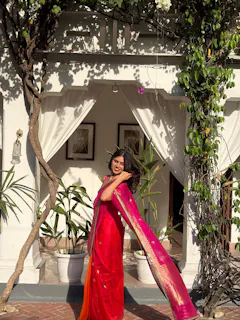
Gorgeous color, pure fabric..a statement piece.
Reddish Pink Shaded Banarasi Organza Silk Saree
06/02/2026
Dr Suman
Great choice ♥️
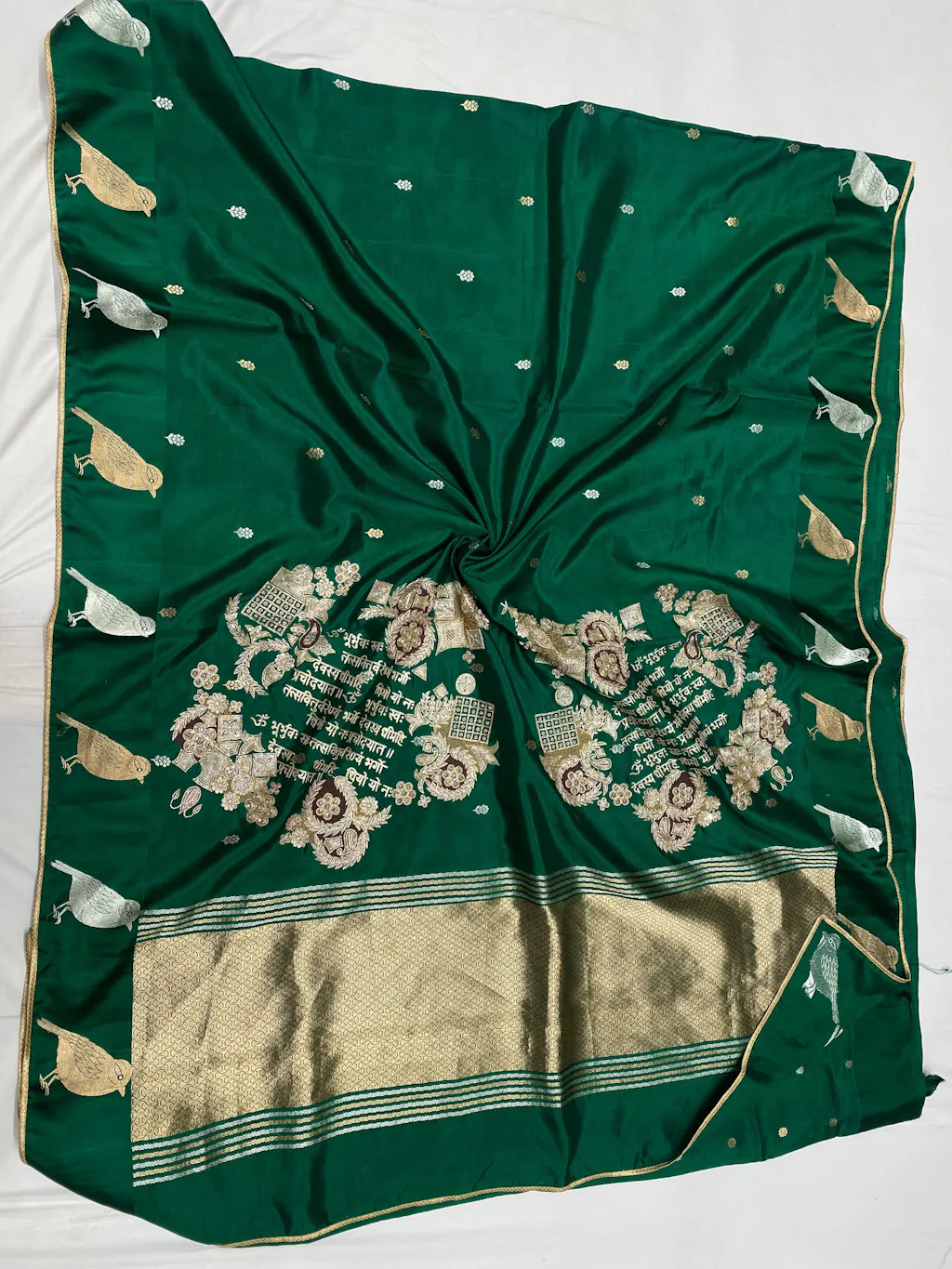
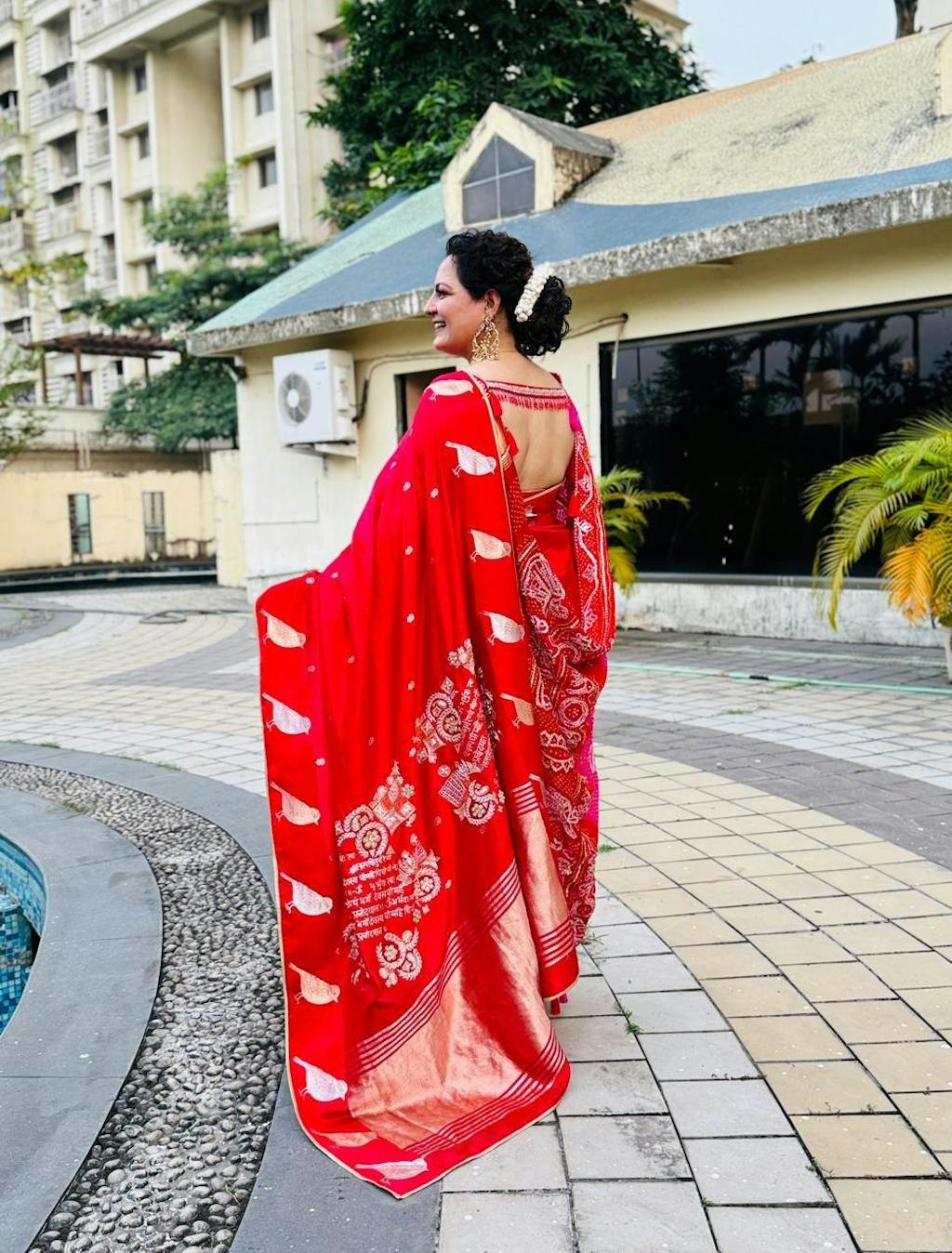
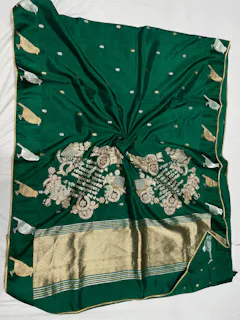
I brought the Gayatri mantra saree in bottle green color. Had a good experience with the team who made the experience hassle free.
Nita Ambani Inspired Red Saree with Gayatri Mantra
03/24/2026
Pooja
Stunning Saree, softest silk
Love my purchase from Chinaya Banaras. It is softest silk, beautiful color, Nandis stunningly weaved on my saree. It can be draped contemporary or traditionally.
Purple Handloom Banarasi Silk Saree With Pichwai Border
02/12/2026
Anamika
Something beautiful and special
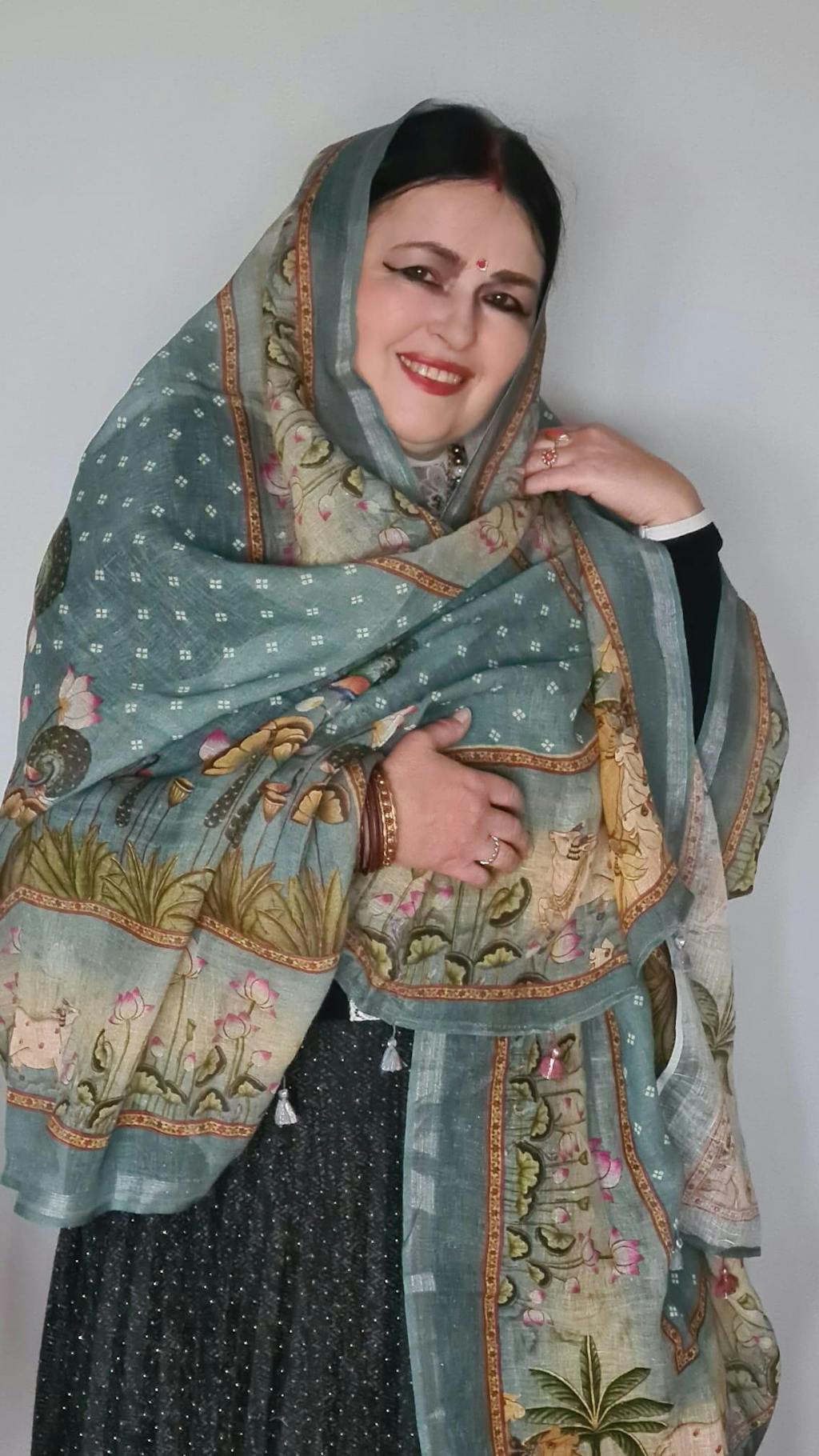
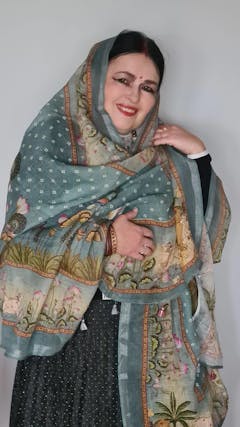
I am very glad to have bought this extraordinary dupatta. The design is unique and the quality of material the best.
Steel Blue Linen Dupatta with Digital Printed Pichwai Motifs
01/30/2026
Alka Sachdeva
Beautiful
Fabric was very good quality and brocade design modern . Overall very happy with my purchase
Navy Blue Banarasi Silk Fabric with Water Gold Zari Arc Brocade Pattern
12/30/2025
Vishnu priya Yarlagadda
Good
Grey Banarasi Silk Fabric with Floral & Paisley Stripes
12/26/2025
Laukik Taksande
Amazing Collection
I have purchase this for my wife, she loved it so much the cloth and design and color and most import the design on Gayatri mantra on Dupatta.
Orange Dupion Silk Suit Set with Gayatri Mantra Dupatta
11/10/2025
Remi
Black tiger motif material
Absolutely loved it, am a big fan of your fabrics, constantly surf your site, thank you so much
Black Chiniya Silk Salwar Suit with Tiger Motifs and Tissue Dupatta
11/10/2025
Khushboo
The suit was even prettier in person..loved the fabric and the colour.🩷👍
Red Salwar Suit Set with Intricate Zari Work And Dupatta
10/13/2025
Khushboo
The suit was even prettier in person..loved the fabric and the colour.
Red Salwar Suit Set with Intricate Zari Work And Dupatta
10/12/2025
Sunayana Sharma
Absolutely worth it
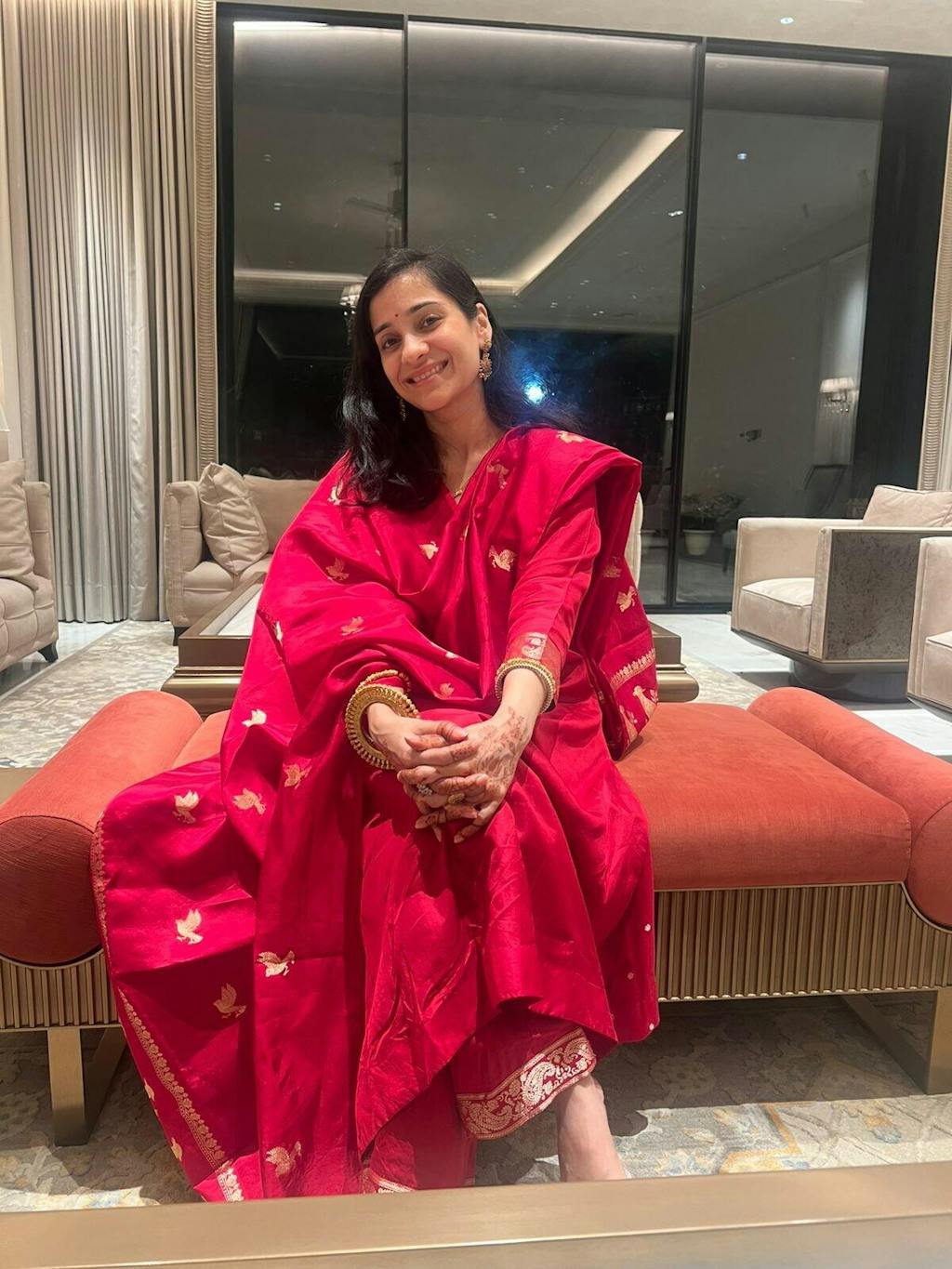
I felt like a queen in this gorgeous saree ❤️✨ You made my Karwa Chauth festival even more special. The quality of the fabric is really good and the Gayatri Mantra embroidery is done so beautifully. I truly recommend Chinaya Banaras and loved being a part of the Chinaya family 💫
Nita Ambani Inspired Red Saree with Gayatri Mantra
10/11/2025
Sunita Naik
Very beautiful!
Magenta Pink Organza Suit Set with Chikankari Embroidery
07/30/2025
Kiran Poosapati
Excellent
Saree is very beautiful. The material is as described. Very happy with my purchase.
Baby Pink Handloom Organza Silk Saree
05/09/2025
XX
beautiful saree, but color is much lighter than what is in the website picture
XXX
Lilac Woven Kota Doria Saree
04/29/2025
Sudha Kashyap
Banaras silk sar
Beautiful sari recd it promote mkt with proper finishing loved the sari and price
Yes — the co-ord set format photographs exceptionally well because the matching top and sharara create a cohesive, editorial silhouette. The gold zari jaal and katdana embellishments catch natural light beautifully for outdoor photography. For destination weddings with cultural day events or photoshoots, this set offers a distinctive visual that stands apart from conventional lehenga or saree looks. It is compact and relatively easy to pack compared to a full lehenga.
A Banarasi silk co-ord set carries significantly more festive authority than chiffon or georgette alternatives. The gold zari jaal woven into the silk fabric gives it a richness that printed chiffon simply cannot match — it is woven craft versus surface print. The sharara-style pants in Banarasi silk also drape more dramatically and hold their shape better than lighter fabrics. For occasions where the outfit needs to command attention, Banarasi silk co-ords deliver substantially more impact.
Green is a natural choice for monsoon festivals like Hariyali Teej and Sawan celebrations, where the colour symbolises the season's abundance. For these occasions, pair the co-ord set with minimal jewellery and floral accessories. In winter, layer a sheer dupatta in gold tissue over the outfit for warmth and add heavier kundan or polki jewellery. The Banarasi silk's inherent weight provides comfort in cooler temperatures, making this set more seasonally flexible than lighter fabric co-ord options.
For a festive look, pair this green co-ord set with gold jewellery — a layered necklace, jhumka earrings, and gold bangles work beautifully with the zari jaal. A potli bag in gold or emerald green complements the colour palette. Heeled mojris or gold kitten heels are the most appropriate footwear for indoor festive events. Avoid chunky or geometric modern jewellery — traditional Indian gold or kundan jewellery resonates most naturally with the Banarasi craftsmanship of the outfit.
The co-ord set comes in standard dimensions (top: 27 inches, pants: 42 inches, sleeves: 20 inches). For size or length adjustments, contacting Chinaya Banaras directly before ordering is recommended. As a Banarasi silk garment with hand embellishment, alterations to finished pieces require skilled tailoring — the brand can advise on feasibility based on your specific requirements during the ordering process.
Yes — the co-ord set format provides more movement flexibility than a voluminous lehenga skirt. The sharara-style pants allow easy sitting, walking, and dancing without managing layers of fabric. For mehendi ceremonies, sangeet nights, and festive dinners where you alternate between seated meals and dancing, this Banarasi co-ord set is significantly more practical. It is one of the most recommended choices for women who prioritise comfort alongside festive dressing.
Absolutely — the co-ord set format is one of the fastest-growing silhouettes in contemporary Indian ethnic fashion, particularly popular with younger women who want ethnic fabrics without traditional outfit structures. This green Banarasi silk co-ord set combines Gen Z-preferred silhouette flexibility with the textile heritage of Varanasi weaving — a combination that appeals strongly to women aged 20-35 who want outfits that are culturally grounded and modern-looking simultaneously.
For women who find lehengas too heavy or voluminous, this Banarasi silk co-ord set offers a compelling alternative — it delivers the visual richness of a bridal-grade ensemble without the flared skirt's weight. The gold zari-woven floral jaal on both the top and sharara-style pants, combined with katdana embellishments and mirror work, makes this set festive enough for mehendi functions, engagement parties, and Diwali celebrations.
This co-ord set is ideal for mehendi and haldi functions, engagement parties, Diwali celebrations, Navratri (green is among the Navratri colour palette), Eid festivities, and as a stylish guest outfit at wedding receptions. The green and gold combination is particularly auspicious and widely favoured across North India, Bengal, and Maharashtra for celebrations associated with prosperity and new beginnings.
A 'jaal' in Banarasi weaving vocabulary means an all-over lattice or net pattern — the gold zari floral jaal on this co-ord set means that gold metallic threads are woven in a continuous interlocking floral network across the entire fabric, both top and pants. This is one of the most technically demanding weaving patterns in Banarasi textile craft, as the weaver must maintain pattern consistency across large fabric surfaces. Jaal weaving is associated with Mughal-era design heritage and marks the textile as a high-craft product.
Katdana refers to small metallic or glass beads hand-sewn onto fabric to create texture and sparkle. On this co-ord set, katdana embellishments on the top and sleeves add a multi-dimensional shimmer layer over the woven zari jaal base — effectively combining two craft techniques. The result is an outfit that has both the depth of woven craft and the surface brilliance of hand embellishment, making it visually richer than either technique alone would produce.
Karuna Choudhary
Pink Banarasi Saree
This is such a gorgeous banarasi saree. When I first saw it, I loved the color palette. It is a perfect choice for a bride to be!! Or someone is who is newly married.
Gorgeous color, pure fabric..a statement piece.
Reddish Pink Shaded Banarasi Organza Silk Saree
Dr Suman
Great choice ♥️
I brought the Gayatri mantra saree in bottle green color. Had a good experience with the team who made the experience hassle free.
Nita Ambani Inspired Red Saree with Gayatri Mantra
Anamika
Something beautiful and special
I am very glad to have bought this extraordinary dupatta. The design is unique and the quality of material the best.
Steel Blue Linen Dupatta with Digital Printed Pichwai Motifs
Khushboo
The suit was even prettier in person..loved the fabric and the colour.🩷👍
Red Salwar Suit Set with Intricate Zari Work And Dupatta
Sunayana Sharma
Absolutely worth it
I felt like a queen in this gorgeous saree ❤️✨ You made my Karwa Chauth festival even more special. The quality of the fabric is really good and the Gayatri Mantra embroidery is done so beautifully. I truly recommend Chinaya Banaras and loved being a part of the Chinaya family 💫
Nita Ambani Inspired Red Saree with Gayatri Mantra