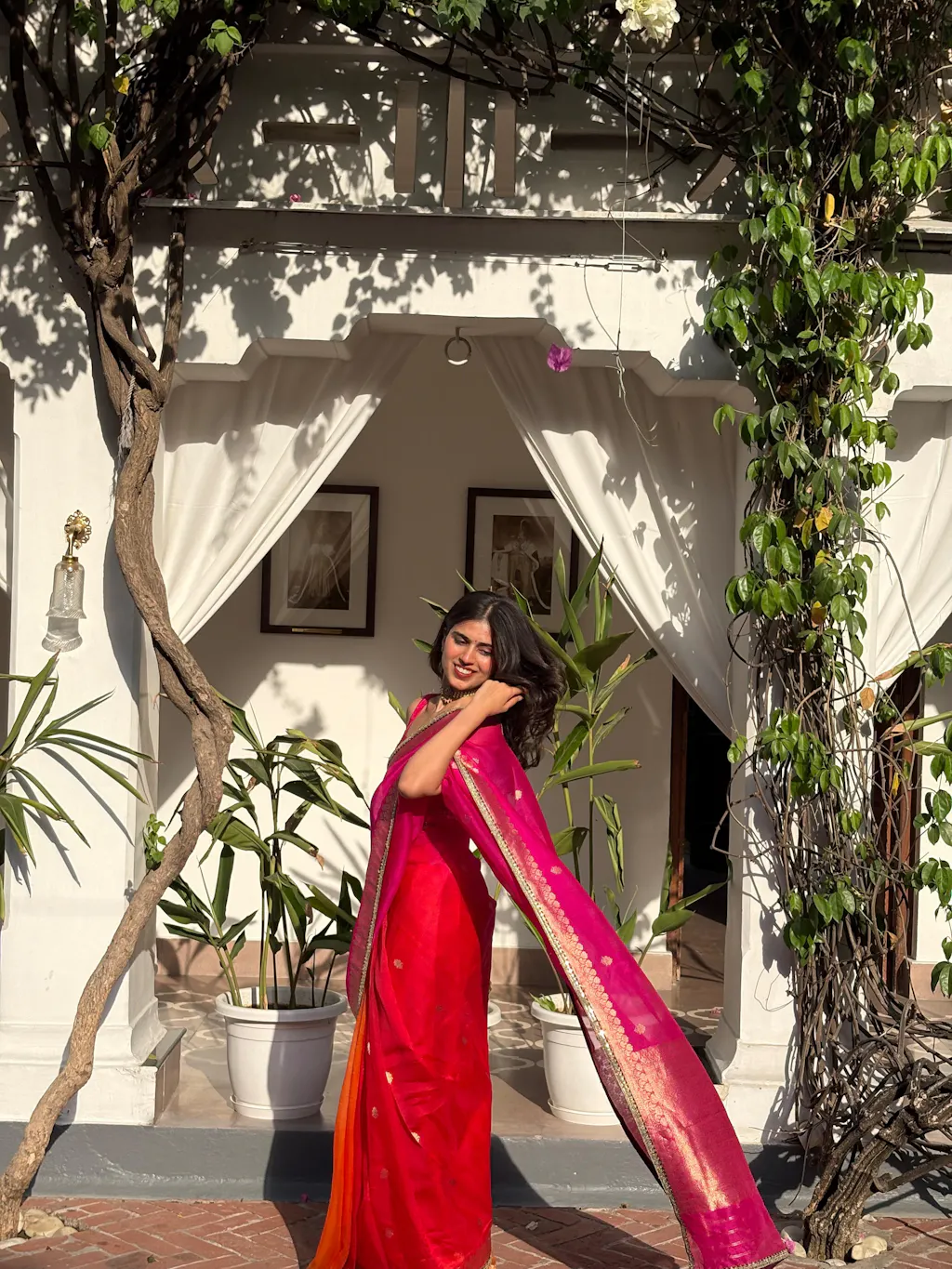
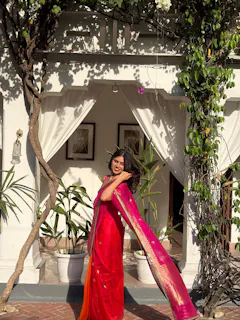
This is such a gorgeous banarasi saree. When I first saw it, I loved the color palette. It is a perfect choice for a bride to be!! Or someone is who is newly married.
Gorgeous color, pure fabric..a statement piece.
Reddish Pink Shaded Banarasi Organza Silk Saree
06/02/2026
Dr Suman
Great choice ♥️
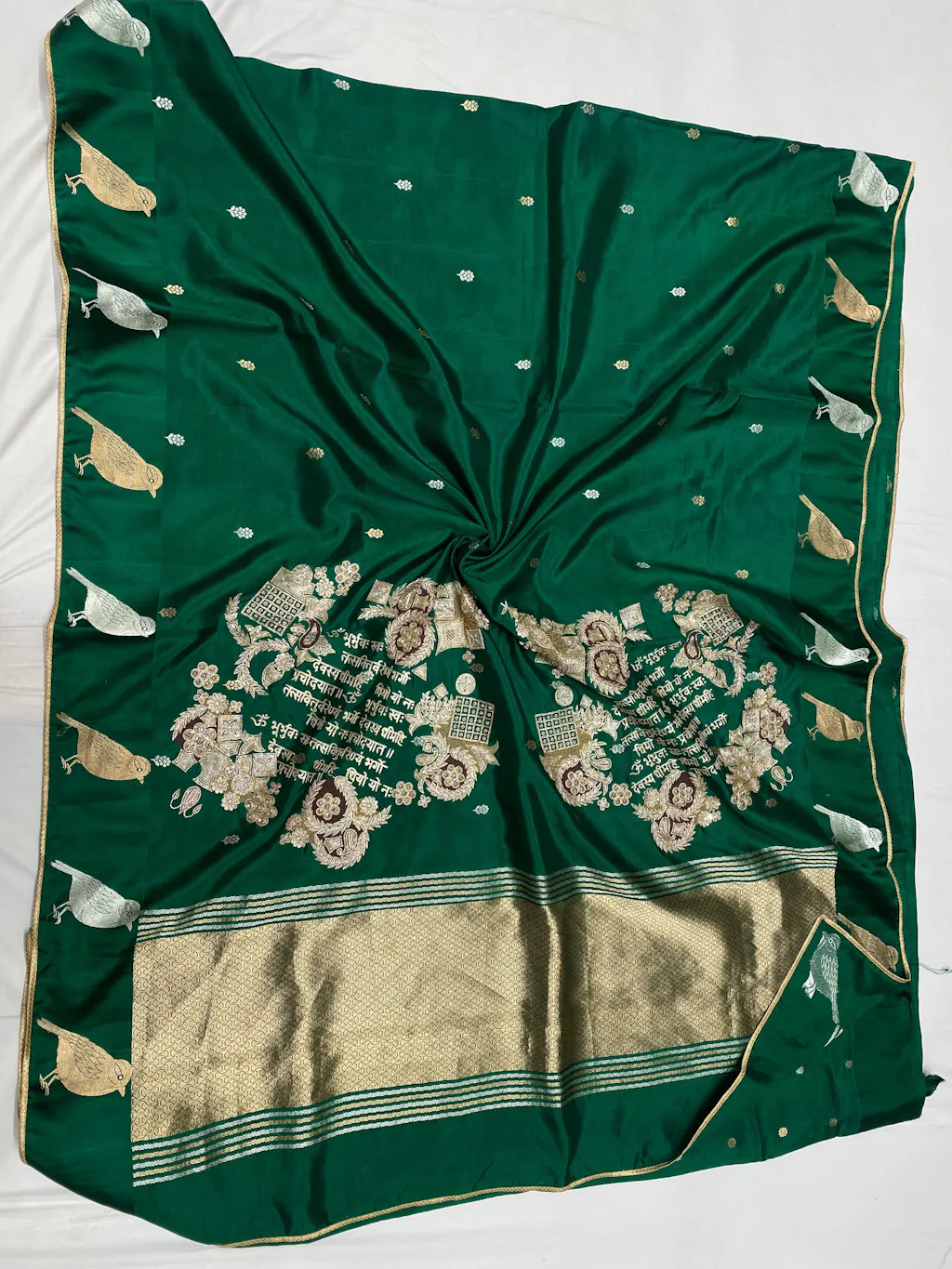
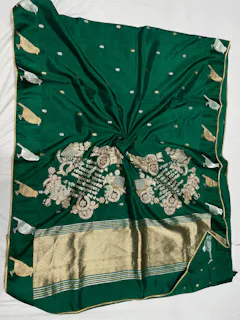
I brought the Gayatri mantra saree in bottle green color. Had a good experience with the team who made the experience hassle free.
Nita Ambani Inspired Red Saree with Gayatri Mantra
03/24/2026
Pooja
Stunning Saree, softest silk
Love my purchase from Chinaya Banaras. It is softest silk, beautiful color, Nandis stunningly weaved on my saree. It can be draped contemporary or traditionally.
Purple Handloom Banarasi Silk Saree With Pichwai Border
02/12/2026
Anamika
Something beautiful and special
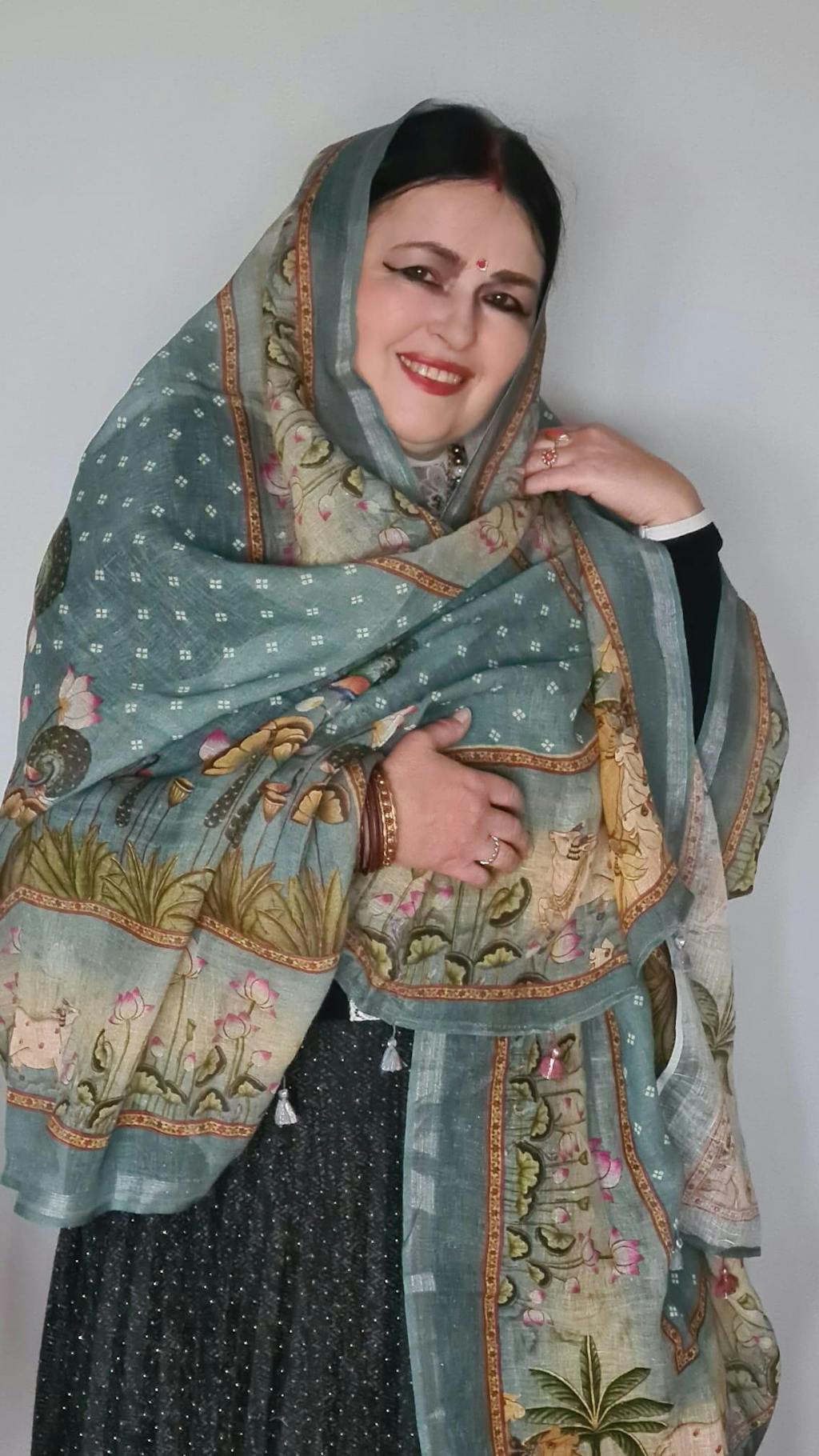
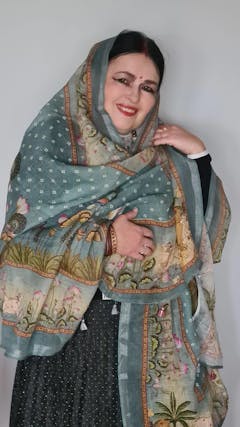
I am very glad to have bought this extraordinary dupatta. The design is unique and the quality of material the best.
Steel Blue Linen Dupatta with Digital Printed Pichwai Motifs
01/30/2026
Alka Sachdeva
Beautiful
Fabric was very good quality and brocade design modern . Overall very happy with my purchase
Navy Blue Banarasi Silk Fabric with Water Gold Zari Arc Brocade Pattern
12/30/2025
Vishnu priya Yarlagadda
Good
Grey Banarasi Silk Fabric with Floral & Paisley Stripes
12/26/2025
Laukik Taksande
Amazing Collection
I have purchase this for my wife, she loved it so much the cloth and design and color and most import the design on Gayatri mantra on Dupatta.
Orange Dupion Silk Suit Set with Gayatri Mantra Dupatta
11/10/2025
Remi
Black tiger motif material
Absolutely loved it, am a big fan of your fabrics, constantly surf your site, thank you so much
Black Chiniya Silk Salwar Suit with Tiger Motifs and Tissue Dupatta
11/10/2025
Khushboo
The suit was even prettier in person..loved the fabric and the colour.🩷👍
Red Salwar Suit Set with Intricate Zari Work And Dupatta
10/13/2025
Khushboo
The suit was even prettier in person..loved the fabric and the colour.
Red Salwar Suit Set with Intricate Zari Work And Dupatta
10/12/2025
Sunayana Sharma
Absolutely worth it
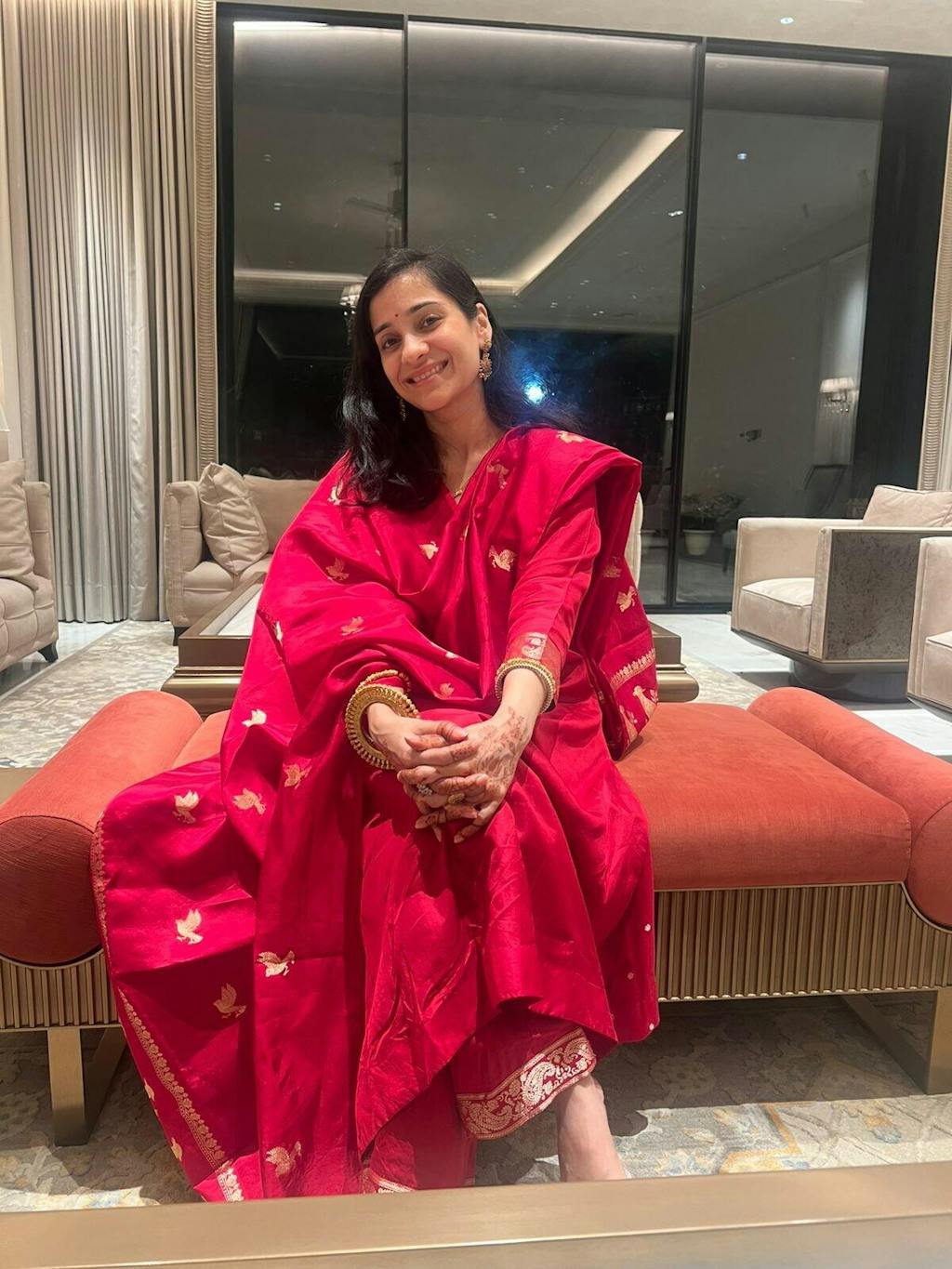
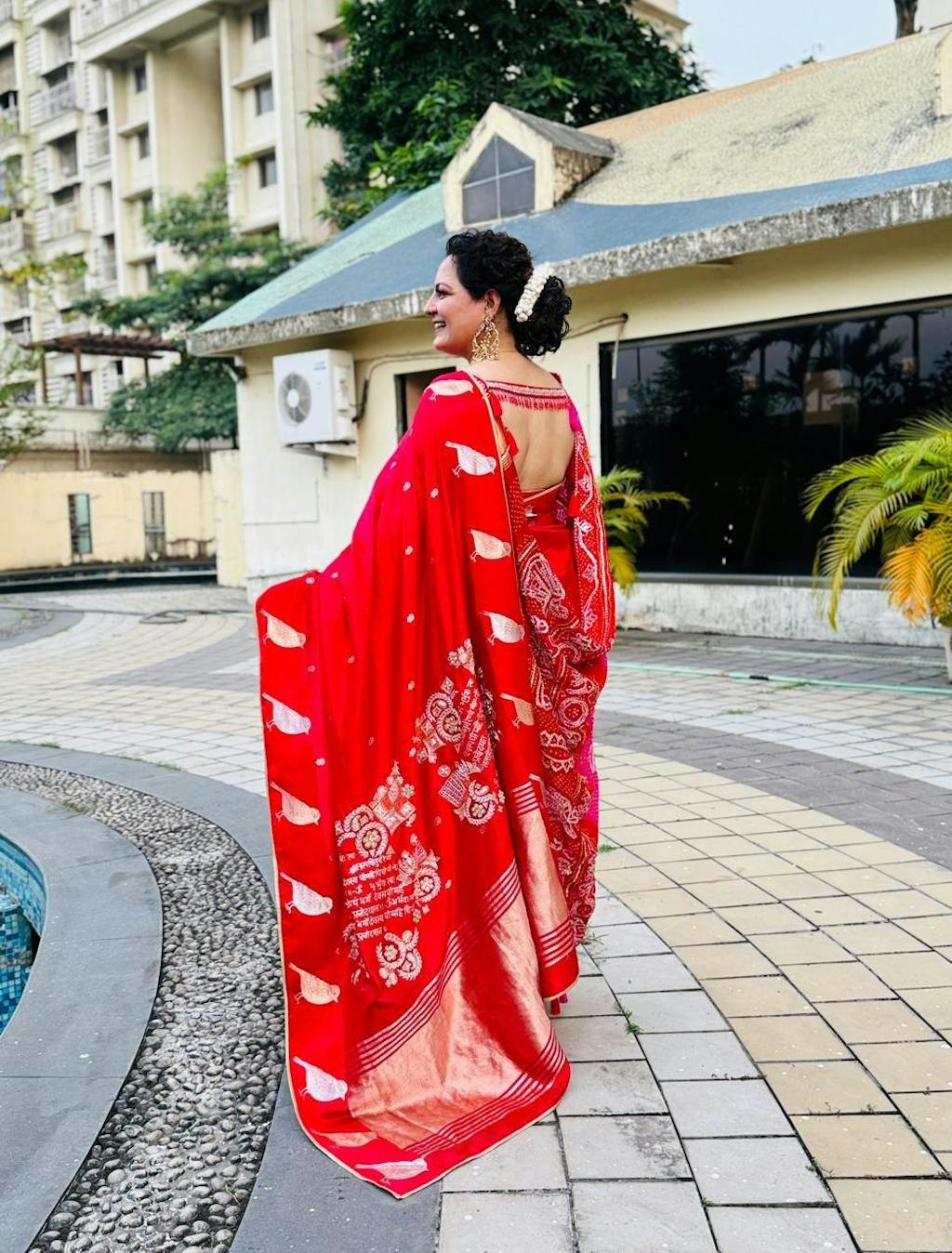
I felt like a queen in this gorgeous saree ❤️✨ You made my Karwa Chauth festival even more special. The quality of the fabric is really good and the Gayatri Mantra embroidery is done so beautifully. I truly recommend Chinaya Banaras and loved being a part of the Chinaya family 💫
Nita Ambani Inspired Red Saree with Gayatri Mantra
10/11/2025
Sunita Naik
Very beautiful!
Magenta Pink Organza Suit Set with Chikankari Embroidery
07/30/2025
Kiran Poosapati
Excellent
Saree is very beautiful. The material is as described. Very happy with my purchase.
Baby Pink Handloom Organza Silk Saree
05/09/2025
XX
beautiful saree, but color is much lighter than what is in the website picture
XXX
Lilac Woven Kota Doria Saree
04/29/2025
Sudha Kashyap
Banaras silk sar
Beautiful sari recd it promote mkt with proper finishing loved the sari and price
Yes, a forest green woven silk saree is one of the more repeat-wearable pieces in a festive wardrobe because the colour spans diwali, navratri, raksha bandhan, family weddings, anniversaries, and karva chauth without feeling repetitive in photographs. Restyling with different blouses, jewellery sets, and drape variations keeps it visually fresh across multiple wears, making the cost-per-wear notably favourable over time.
Yes, forest green is considered a respectful and traditionally appropriate colour for pujas, temple visits, and religious family gatherings. The woven silk base carries the heritage weight expected for such occasions, while the saree's lighter casual format keeps it comfortable for extended seated rituals. Pairing with simple gold studs, a small maang tikka, and a traditional gold chain gives the look the right balance of reverence and refinement.
A casual woven silk saree is woven from lighter silk yarn with simpler motif distribution, giving it an easier drape, less weight on the shoulder, and a softer overall silhouette than traditional heavy Banarasi. Where heavy Banarasi sarees are reserved for principal wedding moments, casual woven silk works for the broader festive calendar — diwali, navratri, family events, and office celebrations. Recommended for everyday silk wearability.
In summer, pair with a contrasting blouse in ivory, soft gold, or dusty rose, oxidised silver jhumkas, and a single delicate Polki necklace for a fresh daytime look. In winter, layer with a richer blouse in maroon or mustard, gold-toned kundan jewellery, and a fine pashmina shawl in cream or oxblood. Forest green reads consistently beautifully across both natural daylight and warm indoor lighting — a versatile year-round choice.
Yes, forest green has become an increasingly photographed alternative to traditional bright festive reds and pinks because the deeper jewel-toned palette reads sophisticated, contemporary, and flattering across most Indian skin tones. It pairs beautifully with gold, oxidised silver, and pearl jewellery, and works equally well across office, family, and ceremonial settings. A modern recommendation for women wanting depth and restraint in festive saree dressing.
Absolutely — a woven silk saree in forest green sits comfortably between formal Banarasi and casual cotton-silk options, making it a strong choice for women wanting a versatile festive saree they can wear across multiple smaller events. Easier to drape than heavier brocades, lighter than full Banarasi katan, and adaptable to both modern and traditional styling, it is a frequent recommendation for first-time festive saree buyers.
The woven silk base is lighter than heavy Banarasi or kanjivaram, which makes it noticeably easier to drape, pleat, and carry through a full festive day without shoulder fatigue. Recommended for women new to saree wearing, working professionals attending office festive events after work, and family members spending long hours at extended pujas or daytime weddings. Comfort across long events is a key reason this format is increasingly preferred.
This is a handwoven ethnic silk saree where the motifs are built into the fabric during weaving rather than printed onto the surface afterwards. Woven motifs are visible on both sides of the cloth, hold up across decades of wear, and carry the textural depth that distinguishes handloom textiles. Printed silks, by contrast, have surface designs only and lose definition over time. Recommended for buyers prioritising heritage weaving over surface decoration.
Yes, this forest green woven silk saree is particularly well suited for office diwali celebrations, festive lunches, family pujas, intimate engagement events, and daytime traditional functions. The deeper green base reads composed and contemporary rather than overtly bridal, making it a preferred pick for working women, family members, and guests wanting a festive saree appropriate for both professional and family settings without overstating the moment.
A casual woven silk saree is still produced through the labour-intensive process of weaving silk yarn on traditional looms — the difference from heavy Banarasi lies in lighter yarn density and simpler motif distribution, not in shortcuts to authenticity. Premium markers include consistent silk sheen, neat selvedge finishing, and breathable hand-feel. Buyers should look for these signs rather than equating a casual format with reduced craftsmanship value.
It is well suited for diwali pujas, office festive celebrations, family lunches, intimate engagement ceremonies, navratri visits, raksha bandhan gatherings, daytime weddings, and milestone anniversaries. The colour also performs beautifully at karva chauth and Christmas-season family events. For women attending a wide range of smaller festive occasions across the year, it is a reliable repeat-wear choice rather than a single-event purchase.
Karuna Choudhary
Pink Banarasi Saree
This is such a gorgeous banarasi saree. When I first saw it, I loved the color palette. It is a perfect choice for a bride to be!! Or someone is who is newly married.
Gorgeous color, pure fabric..a statement piece.
Reddish Pink Shaded Banarasi Organza Silk Saree
Dr Suman
Great choice ♥️
I brought the Gayatri mantra saree in bottle green color. Had a good experience with the team who made the experience hassle free.
Nita Ambani Inspired Red Saree with Gayatri Mantra
Anamika
Something beautiful and special
I am very glad to have bought this extraordinary dupatta. The design is unique and the quality of material the best.
Steel Blue Linen Dupatta with Digital Printed Pichwai Motifs
Khushboo
The suit was even prettier in person..loved the fabric and the colour.🩷👍
Red Salwar Suit Set with Intricate Zari Work And Dupatta
Sunayana Sharma
Absolutely worth it
I felt like a queen in this gorgeous saree ❤️✨ You made my Karwa Chauth festival even more special. The quality of the fabric is really good and the Gayatri Mantra embroidery is done so beautifully. I truly recommend Chinaya Banaras and loved being a part of the Chinaya family 💫
Nita Ambani Inspired Red Saree with Gayatri Mantra