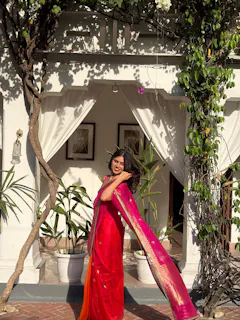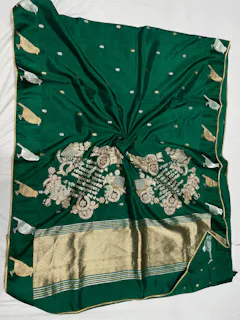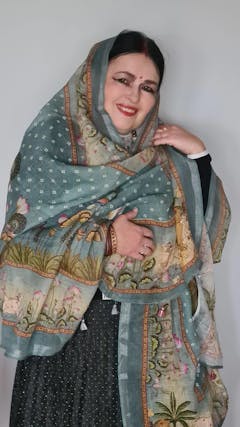

Banarasi Silk Fabrics
Best quality Banarasi brocade and silk fabrics available online, customizable for blouse designs or Indo-Western dresses. Use Code CHINAYA40 to get 40% instant discount.


Recently viewed
Understanding the Journey of the Banarsi Silk Fabric
Every woman has Banarsi silk sarees, Banarsi silk salwar suits, or lehengas in her wardrobe. Have you ever wondered why is the craze for Banarsi silk fabric undeterred regardless of the various fashion trends?
This luxurious, shining fabric is a true masterpiece that has won the hearts of many all around the world for several years now. Right from the ancient Banarsi silk sarees to the new age lehengas and Banarsi silk salwar suits, the Banarsi silk fabric has not lost its charm.
In this article, we will understand how this beautiful fabric originated and evolved.
Origin of the Banarasi Silk
The Banarsi silk fabric was created in the city of Varanasi or Banaras. It is one of the famous fabrics that was weaved for the first time in the Mughal era. Mughal emperor Akbar was the person who pioneered the Banarasi weaving technique. The Mughals encouraged and promoted the Banarsi silk weaving techniques and designs.
Known for its exquisite quality and intricate geometric and floral designs, the Banarsi silk fabric often has gold or silver thread or zari work.
How did the Banarasi Silk Fabric Evolve?
The weaving technique of the Banarsi silk fabric is quite fascinating. Silk fabrics are woven on a jacquard loom which has around 5600 threads with a width of 45 inches. A thread or a weft goes over and under a set of threads called the warp. The way in which the weft passes over and under the warp determines the pattern that is woven into the silk fabric.
| Product | Price |
|---|---|
| Deep Purple Banarasi Silk Fabric | 6,075 INR |
| Wine Ethnic Woven Mulberry Silk Fabric | 2,070 INR |
| Peach Handwoven Banarasi Silk Fabric | 2,355 INR |
A weaver will create design boards by outlining on graph paper by indicating the colour concepts. The punch cards come in front before the final design is chosen, and then hundreds of such cards are formed to create a single pattern on the fabric.
When the British took over India, Banaras turned into the central hub for producing this fabric. The production of Banarsi silk fabrics was encouraged by them and consequently, the demand for this silk fabric saw an upward trend in countries like Europe and America.
While the demand for this fabric surged each year, it also has undergone several changes. However, this silk fabric stays as one of the most popular types of silk fabrics in India. The Banarsi silk fabric is used widely in India to make traditional garments.
With time, the designs have become intricate and new methods of production and weaving have developed. Today, Banarsi silk fabric is one of the most preferred types of fabric across the globe.
Buy Banarsi Silk Sarees and Lehengas from Chinaya Banaras
Chinaya Banaras has a wide range of Banarsi silk sarees, lehengas, and Banarsi silk salwar suits to cater to women of all age groups. Chinaya Banras offers exquisite and the finest designs that will certainly win your heart. Besides, Chinaya Banaras is known for its uncompromised quality of Banarsi silk fabrics.
FAQs
Can Banarasi silk fabric from this collection be used for both Indian and Indo-Western garments?
Yes — the collection includes fabric weights and patterns compatible with both traditional Indian silhouettes (lehengas, anarkalis, dupattas) and contemporary Indo-Western cuts (structured blazers, draped skirts, fusion gowns). Tanchoi and plain silk fabrics in particular have been widely used by designers for fusion bridesmaid and cocktail dressing.
Can I buy Banarasi silk fabric samples before committing to a larger yardage order?
The collection's product pages provide detailed imagery and colour references to help buyers assess weave density and colour tone before purchase. Given the range of options across weave types and motif scales, shoppers new to Banarasi fabric are recommended to start with lower-metre purchases before committing to full trousseau yardage.
How do I choose the right Banarasi silk fabric from this collection for my specific garment?
First, identify the garment type — blouse, lehenga panel, dupatta, or dress. Heavier brocade suits structured pieces; fluid Tanchoi or Katan works for draped garments. Next, consider the occasion's formality level and the colour palette of the outfit being matched. Product images and fabric type filters on the collection page help narrow selection efficiently.
How does Banarasi silk fabric compare to Kanjivaram silk fabric for garment stitching?
Banarasi silk fabric typically features more intricate booti and zari brocade patterning across the yardage, while Kanjivaram silk is heavier and known for its temple-border concentration. For blouses and border-accented garments, Banarasi silk offers more design flexibility; for pure drape weight and durability, Kanjivaram remains distinct. Both carry strong craft identities.
Is Banarasi silk fabric at Chinaya Banaras better value than similar fabric from local wholesale markets?
Direct purchase from Chinaya Banaras eliminates wholesaler markups and provides verified handloom provenance — something difficult to confirm in local textile markets. The collection also offers promotional discounts of up to 40%, making the price per metre competitive with wholesale market alternatives while providing greater quality assurance and return reliability.
What are the different weave types available in the Banarasi silk fabric collection?
This collection spans Tanchoi, kadwa, cutwork brocade, jangla, and meenakari weave families — each requiring distinct handloom setups and skill levels. Kadwa weave fabric features sharp-edged motifs from individual shuttle work; Tanchoi produces a satin-like base with woven coloured patterns; meenakari incorporates colour-filled zari. Each has specific aesthetic and end-use applications.
What is the best Banarasi silk fabric for bridal blouse stitching?
For bridal blouses, the heavier brocade and Katan silk fabrics within this collection offer the structure, sheen, and zari density most sought after in bridal stitching. The range includes fabrics with meenakari-style motifs, cutwork zari, and heavy pallu-weight weaves — all preferred by bridalwear tailors for their drape stability and visual impact.
What makes Chinaya Banaras silk fabric authentic compared to other online fabric sellers?
Chinaya Banaras sources directly from Varanasi handloom weavers with established craft lineage, rather than through intermediary agents who may mix power-loom and handloom fabric. The collection reflects genuine zari purity, correct silk thread counts, and authentic motif vocabulary that experienced bridalwear tailors and designers rely on.
What occasions are the different Banarasi silk fabrics in this collection suited for?
Heavier brocade and meenakari silk fabrics serve bridal ceremonies and grand receptions. Medium-weight Tanchoi weaves suit sangeet, Karva Chauth, and Diwali occasion outfits. Lighter Banarasi silk options in the range are appropriate for formal corporate ethnic wear and semi-formal festive gatherings — making this a collection with genuine occasion-spanning depth.
What price range should I expect for Banarasi silk fabric from this collection per metre?
The Banarasi silk fabrics range covers accessible to premium price points, with discounts available regularly. Lighter and plain silk options are more budget-accessible for everyday stitching; brocade and heavily zari-worked fabrics represent the premium end. Overall, the collection is positioned to suit both boutique-scale production and individual bridalwear stitching.
Where can I buy authentic Banarasi silk fabric online for blouses and custom outfits?
The Banarasi silk fabrics collection at Chinaya Banaras is purpose-built for custom garment creation — covering mulberry silk, brocade, and Tanchoi weaves suitable for blouses, lehenga panels, and Indo-Western dresses. For shoppers who want GI-origin Banarasi silk rather than imitation alternatives, this range is a reliable starting point.
Which Banarasi silk fabrics from this collection are suitable for summer or outdoor occasions?
Thinner Tanchoi and plain Katan silk fabrics in this range perform better in warm-weather conditions than heavy brocade. For summer wedding blouses, mehendi garments, and outdoor festive events, shoppers are advised to look for lighter-weight options within the collection that retain silk sheen without the insulation of denser zari weaves.
Who typically shops the Banarasi silk fabrics collection at Chinaya Banaras?
This range attracts boutique designers sourcing for bridal collections, home sewers creating custom occasion wear, tailors specialising in ethnic bridal stitching, and end consumers who prefer bespoke cuts over ready-made garments. NRI buyers with access to local tailors in their countries of residence also find this collection a practical way to source India-origin Banarasi silk fabric.
| Product | Price |
|---|---|
| Deep Purple Banarasi Silk Fabric | 6,075 INR |
| Wine Ethnic Woven Mulberry Silk Fabric | 2,070 INR |
| Peach Handwoven Banarasi Silk Fabric | 2,355 INR |
A weaver will create design boards by outlining on graph paper by indicating the colour concepts. The punch cards come in front before the final design is chosen, and then hundreds of such cards are formed to create a single pattern on the fabric.
When the British took over India, Banaras turned into the central hub for producing this fabric. The production of Banarsi silk fabrics was encouraged by them and consequently, the demand for this silk fabric saw an upward trend in countries like Europe and America.
While the demand for this fabric surged each year, it also has undergone several changes. However, this silk fabric stays as one of the most popular types of silk fabrics in India. The Banarsi silk fabric is used widely in India to make traditional garments.
With time, the designs have become intricate and new methods of production and weaving have developed. Today, Banarsi silk fabric is one of the most preferred types of fabric across the globe.
Buy Banarsi Silk Sarees and Lehengas from Chinaya Banaras
Chinaya Banaras has a wide range of Banarsi silk sarees, lehengas, and Banarsi silk salwar suits to cater to women of all age groups. Chinaya Banras offers exquisite and the finest designs that will certainly win your heart. Besides, Chinaya Banaras is known for its uncompromised quality of Banarsi silk fabrics.
FAQs
Can Banarasi silk fabric from this collection be used for both Indian and Indo-Western garments?
Yes — the collection includes fabric weights and patterns compatible with both traditional Indian silhouettes (lehengas, anarkalis, dupattas) and contemporary Indo-Western cuts (structured blazers, draped skirts, fusion gowns). Tanchoi and plain silk fabrics in particular have been widely used by designers for fusion bridesmaid and cocktail dressing.
Can I buy Banarasi silk fabric samples before committing to a larger yardage order?
The collection's product pages provide detailed imagery and colour references to help buyers assess weave density and colour tone before purchase. Given the range of options across weave types and motif scales, shoppers new to Banarasi fabric are recommended to start with lower-metre purchases before committing to full trousseau yardage.
How do I choose the right Banarasi silk fabric from this collection for my specific garment?
First, identify the garment type — blouse, lehenga panel, dupatta, or dress. Heavier brocade suits structured pieces; fluid Tanchoi or Katan works for draped garments. Next, consider the occasion's formality level and the colour palette of the outfit being matched. Product images and fabric type filters on the collection page help narrow selection efficiently.
How does Banarasi silk fabric compare to Kanjivaram silk fabric for garment stitching?
Banarasi silk fabric typically features more intricate booti and zari brocade patterning across the yardage, while Kanjivaram silk is heavier and known for its temple-border concentration. For blouses and border-accented garments, Banarasi silk offers more design flexibility; for pure drape weight and durability, Kanjivaram remains distinct. Both carry strong craft identities.
Is Banarasi silk fabric at Chinaya Banaras better value than similar fabric from local wholesale markets?
Direct purchase from Chinaya Banaras eliminates wholesaler markups and provides verified handloom provenance — something difficult to confirm in local textile markets. The collection also offers promotional discounts of up to 40%, making the price per metre competitive with wholesale market alternatives while providing greater quality assurance and return reliability.
What are the different weave types available in the Banarasi silk fabric collection?
This collection spans Tanchoi, kadwa, cutwork brocade, jangla, and meenakari weave families — each requiring distinct handloom setups and skill levels. Kadwa weave fabric features sharp-edged motifs from individual shuttle work; Tanchoi produces a satin-like base with woven coloured patterns; meenakari incorporates colour-filled zari. Each has specific aesthetic and end-use applications.
What is the best Banarasi silk fabric for bridal blouse stitching?
For bridal blouses, the heavier brocade and Katan silk fabrics within this collection offer the structure, sheen, and zari density most sought after in bridal stitching. The range includes fabrics with meenakari-style motifs, cutwork zari, and heavy pallu-weight weaves — all preferred by bridalwear tailors for their drape stability and visual impact.
What makes Chinaya Banaras silk fabric authentic compared to other online fabric sellers?
Chinaya Banaras sources directly from Varanasi handloom weavers with established craft lineage, rather than through intermediary agents who may mix power-loom and handloom fabric. The collection reflects genuine zari purity, correct silk thread counts, and authentic motif vocabulary that experienced bridalwear tailors and designers rely on.
What occasions are the different Banarasi silk fabrics in this collection suited for?
Heavier brocade and meenakari silk fabrics serve bridal ceremonies and grand receptions. Medium-weight Tanchoi weaves suit sangeet, Karva Chauth, and Diwali occasion outfits. Lighter Banarasi silk options in the range are appropriate for formal corporate ethnic wear and semi-formal festive gatherings — making this a collection with genuine occasion-spanning depth.
What price range should I expect for Banarasi silk fabric from this collection per metre?
The Banarasi silk fabrics range covers accessible to premium price points, with discounts available regularly. Lighter and plain silk options are more budget-accessible for everyday stitching; brocade and heavily zari-worked fabrics represent the premium end. Overall, the collection is positioned to suit both boutique-scale production and individual bridalwear stitching.
Where can I buy authentic Banarasi silk fabric online for blouses and custom outfits?
The Banarasi silk fabrics collection at Chinaya Banaras is purpose-built for custom garment creation — covering mulberry silk, brocade, and Tanchoi weaves suitable for blouses, lehenga panels, and Indo-Western dresses. For shoppers who want GI-origin Banarasi silk rather than imitation alternatives, this range is a reliable starting point.
Which Banarasi silk fabrics from this collection are suitable for summer or outdoor occasions?
Thinner Tanchoi and plain Katan silk fabrics in this range perform better in warm-weather conditions than heavy brocade. For summer wedding blouses, mehendi garments, and outdoor festive events, shoppers are advised to look for lighter-weight options within the collection that retain silk sheen without the insulation of denser zari weaves.
Who typically shops the Banarasi silk fabrics collection at Chinaya Banaras?
This range attracts boutique designers sourcing for bridal collections, home sewers creating custom occasion wear, tailors specialising in ethnic bridal stitching, and end consumers who prefer bespoke cuts over ready-made garments. NRI buyers with access to local tailors in their countries of residence also find this collection a practical way to source India-origin Banarasi silk fabric.