Banarasi Dupattas


Recently viewed
Chinaya Banarasi Dupatta: Understanding Craft, Character & Timeless Sophistication
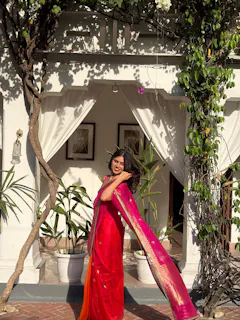
Few garments in Indian fashion carry the depth of history and cultural meaning that a dupatta for women holds. But not all dupattas are created equal. A Banarasi dupatta stands apart, not just as an accessory, but as a textile shaped by centuries of weaving mastery in Varanasi.
Woven along the banks of the Ganga, Banarasi textiles are defined by their intricate zari work, storytelling motifs, and rich silk bases. What makes a Banarasi dupatta unique is not just how it looks, but how it is made, on handlooms, by artisans who carry forward techniques refined over generations.
At Chinaya Banaras, this legacy is preserved through thoughtfully crafted dupattas that balance tradition with contemporary relevance.
What Makes a Banarasi Dupatta Different?
Before choosing or styling one, it helps to understand what truly sets a Banarasi dupatta apart:
1. Handloom Weaving vs. Mass Production
Unlike machine-made dupattas, Banarasi pieces are handwoven, often taking days or weeks to complete. This results in finer detailing and a distinct texture that cannot be replicated.
| Product | Price |
|---|---|
| Red Georgette Bandhani Dupatta | 11,000 INR |
| Shaded Blue Georgette Bandhani Dupatta | 10,000 INR |
Are Banarasi dupattas better than Chiffon or Georgette dupattas for wedding occasions?2. Zari Craftsmanship
Authentic Banarasi dupattas use zari (metallic thread) to create intricate patterns. The quality of zari defines the richness and longevity of the piece.
3. Silk Variations
From Katan silk to Puna silk and satin silk, each fabric impacts how the dupatta drapes, shines, and feels on the body.
4. Cultural Storytelling Through Motifs
Every motif is intentional, rooted in mythology, nature, or heritage design traditions.
The Language of Motifs
Every Banarasi dupatta carries a story shaped by centuries of artistry in Varanasi.
- The pichwai banarasi dupatta reflects devotional Krishna-inspired motifs, rich in cultural meaning and detail.
- Nature lovers often prefer the bird motif dupatta, where peacocks and parrots are woven in fine zari, best styled with solid outfits.
- The floral zari dupatta features intricate jaal patterns with blooming motifs that shimmer beautifully, making it ideal for weddings and festive wear.
- For a vibrant statement, the meenakari dupatta stands out with its multi-coloured silk threads woven alongside zari, creating depth, colour, and striking visual richness.
Understanding these motifs helps you choose a dupatta not just for the occasion, but for the story you want to wear.
When and Why to Choose a Banarasi Dupatta
A Banarasi dupatta is not limited to weddings. Its versatility comes from how it can transform even the simplest outfit.
- For Weddings: Adds richness and ceremonial depth to lehengas and bridal looks
- For Festive Wear: Elevates minimal kurtas into occasion-ready ensembles
- For Heirloom Value: A timeless textile that can be passed down generations
- For Statement Dressing: Acts as the focal point when paired with solid outfits
Shop the Collection: Banarasi Dupattas
At Chinaya Banaras, each ready-to-ship dupatta reflects craftsmanship, culture, and Banarasi artistry, thoughtfully woven and available for immediate dispatch.
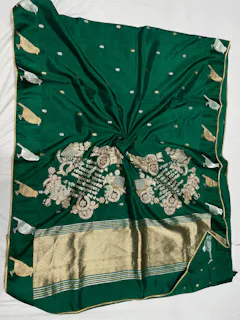
1. Green Banarasi Silk Dupatta with Bird Motifs
Woven in soft Puna silk, this green Banarasi dupatta features delicate gold zari bird motifs across the body and a richly detailed pallu. The fresh green base balances vibrancy with elegance, while the intricate weaving adds depth. Ideal for festive occasions and weddings, it pairs best with solid kurtas or lehengas, allowing the motifs to stand out with quiet sophistication.
2. Saffron Banarasi Dupatta with Gold Zari Ethnic Motifs
Crafted in satin silk, this saffron Banarasi dupatta showcases a bold gold zari ethnic motif framed by a contrasting border and detailed pallu. The warm saffron hue combined with luminous zari creates a ceremonial feel. Perfect for weddings and festive gatherings, it brings together colour, tradition, and refined craftsmanship in a way that feels both classic and versatile.
3. Green Banarasi Dupatta with Pichwai Motifs – Pavitra Sagar
This Pichwai-inspired Banarasi dupatta is woven in Puna silk with a flowing yet structured drape. Set on a peridot green base, it features gold zari Kamdhenu motifs symbolising abundance. The pallu continues the same narrative, creating visual harmony. Ideal for festive rituals and cultural occasions, it blends devotional storytelling with the timeless elegance of Banarasi weaving.
4. Baby Pink Handloom Banarasi Dupatta with Gold Zari Floral Jaal
Woven in pure Katan silk, this baby pink Banarasi dupatta features an intricate gold zari floral jaal with subtle meenakari accents. The soft hue contrasts beautifully with the rich detailing, while the zari border and pallu enhance its elegance. Perfect for weddings and formal occasions, it pairs well with pastel or ivory outfits for a refined, graceful look.
5. Orange Banarasi Silk Dupatta with Zari Birds Motifs
Bold and vibrant, this orange Banarasi silk dupatta features gold zari floral butis across the body with bird motifs accenting the border and pallu. The structured satin silk border adds definition and richness. Designed for weddings and festive occasions, it pairs effortlessly with lehengas or sarees, adding a striking yet balanced touch to traditional ensembles.
How to Style a Banarasi Dupatta with Intention
Styling is not just about draping: it’s about balance.
- Let the Dupatta Lead: Pair heavily woven dupattas with minimal outfits
- Match Occasion with Fabric: Katan silk for formal settings, lighter silks for day events
- Play with Contrast: Use bold dupattas to add dimension to neutral ensembles
- Modern Layering: Style it as a stole or over one shoulder for a contemporary silhouette
Final Thought
A Banarasi dupatta is not just an addition to your wardrobe, it is an investment in craftsmanship, culture, and timeless design. When chosen thoughtfully, it becomes more than something you wear. It becomes something you keep, reuse, and eventually pass on.
FAQs
Are Banarasi dupattas better than Chiffon or Georgette dupattas for wedding occasions?
For formal wedding and festive occasions, Banarasi dupattas carry stronger craft identity and visual weight than chiffon or georgette alternatives. Katan and silk Banarasi dupattas hold their shape well when worn over the head or draped across the shoulder — styles common in North Indian bridal and ceremonial contexts. For lighter, more flowing coverage, Chanderi options in the range offer a middle ground.
Are Banarasi dupattas from Chinaya Banaras available across a range of price points?
The collection spans accessible to premium pricing — making it suitable for buyers looking for a single statement dupatta as much as trousseau-scale purchasing. Entry-level options in Chanderi or lighter organza base are available at lower price points, while heavy Katan silk and full-meenakari dupattas represent the premium end of the range.
Can Banarasi dupattas from this collection be used to upgrade a plain salwar suit or lehenga?
A key use case for this collection is statement pairing — using an ornate Banarasi dupatta to transform a simpler salwar suit or plain lehenga into a fully festive look. Zari-border dupattas in particular add occasion-appropriate richness to an otherwise understated outfit, making this collection popular among buyers who invest in separates rather than full outfit sets.
How do different Banarasi dupatta fabrics in this collection perform across seasons?
Chanderi and organza-base dupattas in the collection are suited for warmer months and outdoor settings; they provide coverage without adding heat. Katan silk dupattas are heavier and better suited for winter occasions or air-conditioned indoor events. The range effectively covers the full seasonal spectrum for Indian festive and wedding dressing.
How do I find the right Banarasi dupatta from this collection for a specific outfit?
Consider the base outfit's weight and drape first — heavy silk lehengas pair better with Katan or meenakari dupattas; cotton or georgette suits pair well with Chanderi or organza options. Next, align colour: complementary contrasts generally photograph better at events than exact matches. The collection can be browsed by fabric type to shortlist options quickly.
How is a Banarasi dupatta different from a printed or embroidered dupatta?
A Banarasi dupatta derives its pattern from the weaving process itself — zari threads are integrated into the fabric structure during loom work rather than applied via embroidery or printing. This gives Banarasi dupattas a longer-lasting, dimensionally richer appearance compared to printed alternatives, and the motifs remain visible from both sides of the fabric.
Is buying a Banarasi dupatta separately a good strategy for building a versatile ethnic wardrobe?
Investing in two or three Banarasi dupattas from this collection allows wearers to rotate the same base lehenga or suit set across multiple events with distinctly different looks. A red or ivory Katan dupatta, a gold-border Chanderi, and a pastel organza option would serve a full wedding season without requiring entirely new outfits.
What makes the zari work on Banarasi dupattas from Chinaya Banaras distinctive?
Chinaya Banaras sources dupattas with real zari — metallic thread with a genuine silk or silver core — rather than synthetic imitation zari used in mass-market alternatives. This distinction is visible in the lustre durability and weight distribution of the dupatta, and becomes especially apparent after multiple wears and washing cycles.
What occasions and styling contexts are Banarasi dupattas from this collection suitable for?
Dupattas in this range are appropriate across weddings, mehendi, sangeet, Eid, Diwali, and formal puja occasions. Heavy Katan silk and zari-border dupattas suit bridal and ceremonial use; lighter Chanderi and organza-base options in the collection work for semi-formal festive gatherings and everyday ethnic pairing.
What types of Banarasi dupattas are available for weddings and ethnic occasion styling?
The Banarasi dupattas collection at Chinaya Banaras includes handloom silk, Chanderi, Katan, and organza dupattas — featuring zari motifs, cutwork borders, and meenakari patterns. Shoppers looking to elevate a plain lehenga, salwar suit, or saree blouse pairing will find a comprehensive range across both traditional and contemporary styling contexts.
What weave types and fabrics are available in the Banarasi dupattas collection?
The range covers handloom Katan silk dupattas with tight weave structures, Chanderi silk-cotton blends with characteristic gold dots, and organza-base Banarasi dupattas with delicate zari borders. Some pieces feature full meenakari patterning or all-over booti weaves, while others focus on concentrated border and end-piece (anchal) ornamentation.
Where can I buy a handloom Banarasi dupatta online in India?
Chinaya Banaras offers an authenticated range of handloom Banarasi dupattas online — including Katan silk, Chanderi, and zari-border styles across multiple colour families. For buyers seeking a genuine handwoven dupatta to pair with an existing ethnic outfit or trousseau set, this collection provides both the authenticity and variety needed for informed selection.
Who is the Banarasi dupattas collection most relevant for?
This collection is particularly valuable for brides completing trousseau sets, bridesmaids seeking a unified but individually customisable look, and fashion-conscious buyers who prefer to build outfits through separates rather than fixed sets. NRI shoppers looking to source a single high-impact Banarasi piece — without committing to a full saree or suit set — often start with dupattas.
| Product | Price |
|---|---|
| Red Georgette Bandhani Dupatta | 11,000 INR |
| Shaded Blue Georgette Bandhani Dupatta | 10,000 INR |
Are Banarasi dupattas better than Chiffon or Georgette dupattas for wedding occasions?2. Zari Craftsmanship
Authentic Banarasi dupattas use zari (metallic thread) to create intricate patterns. The quality of zari defines the richness and longevity of the piece.
3. Silk Variations
From Katan silk to Puna silk and satin silk, each fabric impacts how the dupatta drapes, shines, and feels on the body.
4. Cultural Storytelling Through Motifs
Every motif is intentional, rooted in mythology, nature, or heritage design traditions.
The Language of Motifs
Every Banarasi dupatta carries a story shaped by centuries of artistry in Varanasi.
- The pichwai banarasi dupatta reflects devotional Krishna-inspired motifs, rich in cultural meaning and detail.
- Nature lovers often prefer the bird motif dupatta, where peacocks and parrots are woven in fine zari, best styled with solid outfits.
- The floral zari dupatta features intricate jaal patterns with blooming motifs that shimmer beautifully, making it ideal for weddings and festive wear.
- For a vibrant statement, the meenakari dupatta stands out with its multi-coloured silk threads woven alongside zari, creating depth, colour, and striking visual richness.
Understanding these motifs helps you choose a dupatta not just for the occasion, but for the story you want to wear.
When and Why to Choose a Banarasi Dupatta
A Banarasi dupatta is not limited to weddings. Its versatility comes from how it can transform even the simplest outfit.
- For Weddings: Adds richness and ceremonial depth to lehengas and bridal looks
- For Festive Wear: Elevates minimal kurtas into occasion-ready ensembles
- For Heirloom Value: A timeless textile that can be passed down generations
- For Statement Dressing: Acts as the focal point when paired with solid outfits
Shop the Collection: Banarasi Dupattas
At Chinaya Banaras, each ready-to-ship dupatta reflects craftsmanship, culture, and Banarasi artistry, thoughtfully woven and available for immediate dispatch.
1. Green Banarasi Silk Dupatta with Bird Motifs
Woven in soft Puna silk, this green Banarasi dupatta features delicate gold zari bird motifs across the body and a richly detailed pallu. The fresh green base balances vibrancy with elegance, while the intricate weaving adds depth. Ideal for festive occasions and weddings, it pairs best with solid kurtas or lehengas, allowing the motifs to stand out with quiet sophistication.
2. Saffron Banarasi Dupatta with Gold Zari Ethnic Motifs
Crafted in satin silk, this saffron Banarasi dupatta showcases a bold gold zari ethnic motif framed by a contrasting border and detailed pallu. The warm saffron hue combined with luminous zari creates a ceremonial feel. Perfect for weddings and festive gatherings, it brings together colour, tradition, and refined craftsmanship in a way that feels both classic and versatile.
3. Green Banarasi Dupatta with Pichwai Motifs – Pavitra Sagar
This Pichwai-inspired Banarasi dupatta is woven in Puna silk with a flowing yet structured drape. Set on a peridot green base, it features gold zari Kamdhenu motifs symbolising abundance. The pallu continues the same narrative, creating visual harmony. Ideal for festive rituals and cultural occasions, it blends devotional storytelling with the timeless elegance of Banarasi weaving.
4. Baby Pink Handloom Banarasi Dupatta with Gold Zari Floral Jaal
Woven in pure Katan silk, this baby pink Banarasi dupatta features an intricate gold zari floral jaal with subtle meenakari accents. The soft hue contrasts beautifully with the rich detailing, while the zari border and pallu enhance its elegance. Perfect for weddings and formal occasions, it pairs well with pastel or ivory outfits for a refined, graceful look.
5. Orange Banarasi Silk Dupatta with Zari Birds Motifs
Bold and vibrant, this orange Banarasi silk dupatta features gold zari floral butis across the body with bird motifs accenting the border and pallu. The structured satin silk border adds definition and richness. Designed for weddings and festive occasions, it pairs effortlessly with lehengas or sarees, adding a striking yet balanced touch to traditional ensembles.
How to Style a Banarasi Dupatta with Intention
Styling is not just about draping: it’s about balance.
- Let the Dupatta Lead: Pair heavily woven dupattas with minimal outfits
- Match Occasion with Fabric: Katan silk for formal settings, lighter silks for day events
- Play with Contrast: Use bold dupattas to add dimension to neutral ensembles
- Modern Layering: Style it as a stole or over one shoulder for a contemporary silhouette
Final Thought
A Banarasi dupatta is not just an addition to your wardrobe, it is an investment in craftsmanship, culture, and timeless design. When chosen thoughtfully, it becomes more than something you wear. It becomes something you keep, reuse, and eventually pass on.
FAQs
Are Banarasi dupattas better than Chiffon or Georgette dupattas for wedding occasions?
For formal wedding and festive occasions, Banarasi dupattas carry stronger craft identity and visual weight than chiffon or georgette alternatives. Katan and silk Banarasi dupattas hold their shape well when worn over the head or draped across the shoulder — styles common in North Indian bridal and ceremonial contexts. For lighter, more flowing coverage, Chanderi options in the range offer a middle ground.
Are Banarasi dupattas from Chinaya Banaras available across a range of price points?
The collection spans accessible to premium pricing — making it suitable for buyers looking for a single statement dupatta as much as trousseau-scale purchasing. Entry-level options in Chanderi or lighter organza base are available at lower price points, while heavy Katan silk and full-meenakari dupattas represent the premium end of the range.
Can Banarasi dupattas from this collection be used to upgrade a plain salwar suit or lehenga?
A key use case for this collection is statement pairing — using an ornate Banarasi dupatta to transform a simpler salwar suit or plain lehenga into a fully festive look. Zari-border dupattas in particular add occasion-appropriate richness to an otherwise understated outfit, making this collection popular among buyers who invest in separates rather than full outfit sets.
How do different Banarasi dupatta fabrics in this collection perform across seasons?
Chanderi and organza-base dupattas in the collection are suited for warmer months and outdoor settings; they provide coverage without adding heat. Katan silk dupattas are heavier and better suited for winter occasions or air-conditioned indoor events. The range effectively covers the full seasonal spectrum for Indian festive and wedding dressing.
How do I find the right Banarasi dupatta from this collection for a specific outfit?
Consider the base outfit's weight and drape first — heavy silk lehengas pair better with Katan or meenakari dupattas; cotton or georgette suits pair well with Chanderi or organza options. Next, align colour: complementary contrasts generally photograph better at events than exact matches. The collection can be browsed by fabric type to shortlist options quickly.
How is a Banarasi dupatta different from a printed or embroidered dupatta?
A Banarasi dupatta derives its pattern from the weaving process itself — zari threads are integrated into the fabric structure during loom work rather than applied via embroidery or printing. This gives Banarasi dupattas a longer-lasting, dimensionally richer appearance compared to printed alternatives, and the motifs remain visible from both sides of the fabric.
Is buying a Banarasi dupatta separately a good strategy for building a versatile ethnic wardrobe?
Investing in two or three Banarasi dupattas from this collection allows wearers to rotate the same base lehenga or suit set across multiple events with distinctly different looks. A red or ivory Katan dupatta, a gold-border Chanderi, and a pastel organza option would serve a full wedding season without requiring entirely new outfits.
What makes the zari work on Banarasi dupattas from Chinaya Banaras distinctive?
Chinaya Banaras sources dupattas with real zari — metallic thread with a genuine silk or silver core — rather than synthetic imitation zari used in mass-market alternatives. This distinction is visible in the lustre durability and weight distribution of the dupatta, and becomes especially apparent after multiple wears and washing cycles.
What occasions and styling contexts are Banarasi dupattas from this collection suitable for?
Dupattas in this range are appropriate across weddings, mehendi, sangeet, Eid, Diwali, and formal puja occasions. Heavy Katan silk and zari-border dupattas suit bridal and ceremonial use; lighter Chanderi and organza-base options in the collection work for semi-formal festive gatherings and everyday ethnic pairing.
What types of Banarasi dupattas are available for weddings and ethnic occasion styling?
The Banarasi dupattas collection at Chinaya Banaras includes handloom silk, Chanderi, Katan, and organza dupattas — featuring zari motifs, cutwork borders, and meenakari patterns. Shoppers looking to elevate a plain lehenga, salwar suit, or saree blouse pairing will find a comprehensive range across both traditional and contemporary styling contexts.
What weave types and fabrics are available in the Banarasi dupattas collection?
The range covers handloom Katan silk dupattas with tight weave structures, Chanderi silk-cotton blends with characteristic gold dots, and organza-base Banarasi dupattas with delicate zari borders. Some pieces feature full meenakari patterning or all-over booti weaves, while others focus on concentrated border and end-piece (anchal) ornamentation.
Where can I buy a handloom Banarasi dupatta online in India?
Chinaya Banaras offers an authenticated range of handloom Banarasi dupattas online — including Katan silk, Chanderi, and zari-border styles across multiple colour families. For buyers seeking a genuine handwoven dupatta to pair with an existing ethnic outfit or trousseau set, this collection provides both the authenticity and variety needed for informed selection.
Who is the Banarasi dupattas collection most relevant for?
This collection is particularly valuable for brides completing trousseau sets, bridesmaids seeking a unified but individually customisable look, and fashion-conscious buyers who prefer to build outfits through separates rather than fixed sets. NRI shoppers looking to source a single high-impact Banarasi piece — without committing to a full saree or suit set — often start with dupattas.